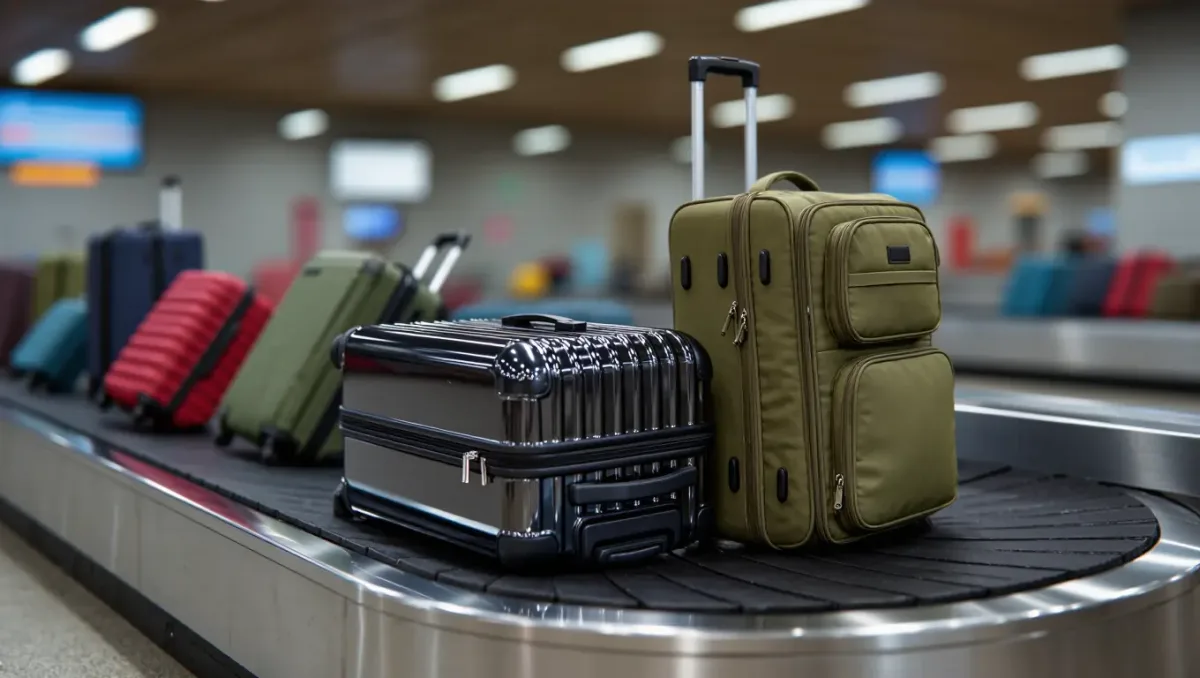
If you check a bag twice a year and pack soft, a soft-sided checked bag is the lighter, cheaper, more forgiving buy. If you check a bag on nearly every trip and want contents protected from rain and ramp handling, a hard shell earns its weight penalty — most hard-sided checked bags run roughly 8 to 11 pounds (3.6 to 5 kg) against 6 to 9 for comparable soft bags, based on manufacturer specifications published as of December 2025.
This is a comparison of published specifications, warranty documents, and airline damage policies, not a durability torture test: Daily News Voyage publishes information, not purchasing advice, and every claim below is sourced to maker spec sheets or carrier rules in force at the end of 2025.
What did we compare?
Four things that spec sheets settle without any spin: empty weight, claimed capacity, shell material, and warranty terms. We pulled those figures from the published product specifications of major hard-side polycarbonate and polypropylene lines and soft-sided ballistic nylon and polyester lines sold by large manufacturers. The pattern that emerged is consistent enough to generalize: hard shells trade two to three pounds of empty weight for rigidity, and soft bags trade structure for external pockets and expandability.
Where hard shells win
Weather first. A polycarbonate shell sheds rain on a tarmac transfer; a fabric shell absorbs it unless the maker uses a coated or DWR-treated fabric, which most budget lines skip. Security second: TSA lockable zipper pulls are standard on both, but hard shells resist the slice-through-the-zipper theft method that targets soft bags, a point customs and consumer agencies have documented for years.
Crush protection matters most if you check fragile goods — wine, camera gear in padded cubes, ceramics. A shell distributes a point load across its face; fabric does not.
Where soft shells win
Weight and space. Soft bags are typically lighter empty and, because nearly all of them include an expansion panel, they absorb the souvenir problem on the return leg. External pockets mean a laptop sleeve, a laundry compartment, and quick access to a rain jacket without opening the main cavity — genuinely useful when you're living out of a checked bag for two weeks.
Reparability leans soft, too. A bent wheel housing or a torn zipper on a soft bag is a five-dollar fix at any luggage repair shop. A cracked polycarbonate shell is usually a total loss unless the brand sells replacement parts; check the maker's parts program before you buy, because the brands that publish one make a ten-year bag meaningfully more practical than the warranty length suggests.
What about airline damage?
US carriers' posted liability for checked baggage has sat at $3,800 per passenger on domestic itineraries under Department of Transportation rules, and airlines exclude damage to overpacked bags and pre-existing wear — which is where the hard-vs-soft argument gets practical. Inspectors photograph and tag damage claims more easily against a hard shell, where a crack is visible, while a soft bag's scuffed corner may be waved off as wear. Neither type changes what an airline owes you; the shell changes how easy the claim is to make.
So which should you buy?
Buy hard shell if you fly more than a handful of times a year, check fragile or weather-sensitive contents, and can live with two extra pounds and no expansion. Buy soft shell if you drive or take trains as often as you fly, pack soft items, use the external pockets, or want a bag a repair shop can keep alive for a decade.
And skip the dilemma entirely if your trips are short: a well-chosen carry-on avoids the ramp, the baggage claim, and this whole argument.
Does color matter more than shell type?
For lost-luggage recovery, yes — more than most buyers expect. A muted-grey hard shell and a muted-grey soft shell are equally invisible on a carousel of ten thousand identical bags. A loud color or a strap identifier shortens the search regardless of material, which is the one variable in this comparison that costs nothing.
FAQ
Do hard shell suitcases crack in cold weather?
Polypropylene stays flexible in freezing conditions better than ABS, which is more brittle. Polycarbonate sits in between and is the most common premium choice. If you're flying into a northern winter, material choice matters more than brand.
Are soft suitcases cheaper?
Generally yes at comparable sizes, because fabric construction needs less tooling than molded shells. The gap narrows at the premium end, where both types carry similar prices.
Which type lasts longer?
Warranty terms at major brands now commonly run ten years to lifetime for both types, but the practical answer depends on parts availability. A bag you can buy wheels and zippers for outlives a bag with a sealed shell.
Is a hard shell better for international flights?
For weather protection and tamper resistance, yes. For weight-limited carriers, no — soft bags leave more of your allowance for contents, which matters on airlines that enforce 50-pound or 23-kilogram limits strictly.