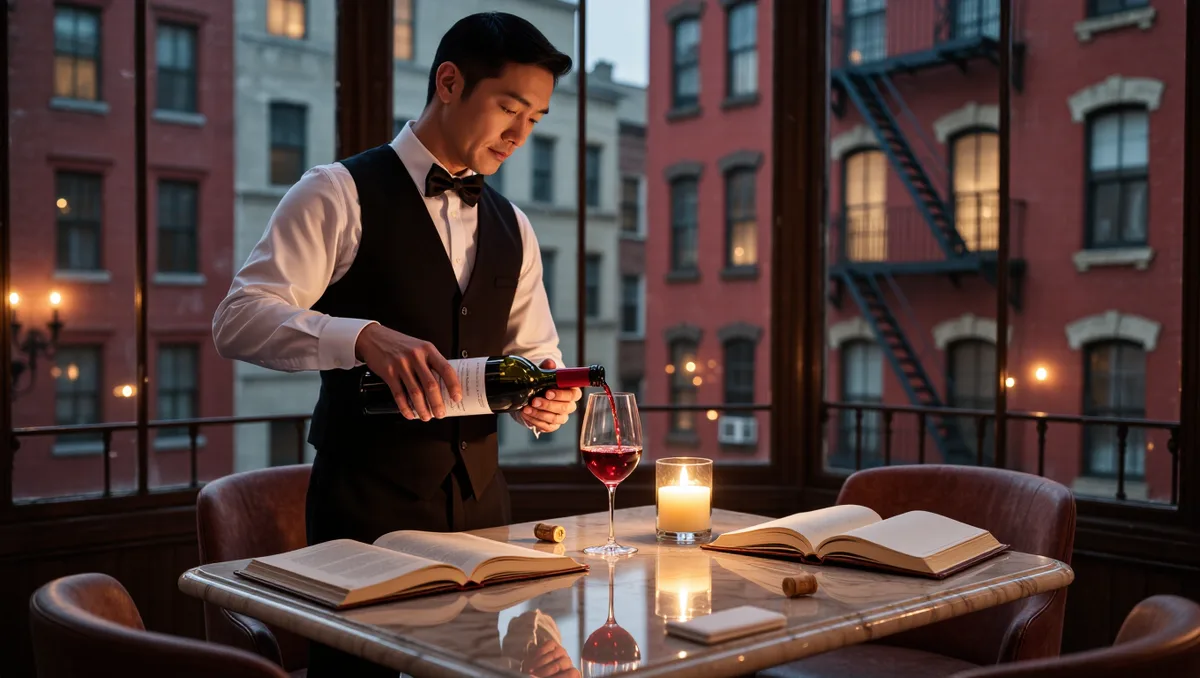
Restaurant wine lists run on a math you can beat. Bottles usually cost three to four times what the restaurant paid, and cheaper wines carry the steepest percentage markup. Order mid-list, name a price to the sommelier, and the same budget buys better wine. The catch: the most famous bottles hide the worst numbers.
The numbers come from the trade. A rundown by The Reluctant Gourmet, updated 17 July 2026, puts the standard band at 200% to 300% over wholesale cost. A Guardian wine column by Fiona Beckett, from February 2011, describes the flip side: fixed cash margins at the top, percentage markups that sting at the bottom. Here is the playbook.
What the standard markup bands look like
The baseline barely moves. The Reluctant Gourmet's July 2026 update pegs typical restaurant wine at 200% to 300% over wholesale cost, which lands most bottles at three to four times what the restaurant paid, with ceilings in expensive markets pushed to five or six times. Beckett's column shows the structure behind that: restaurants make a fixed cash margin on pricier bottles, while percentage markups on cheaper wines can push them to three or four times the shop price.
Who this math helps: anyone who reads the list as a price sheet instead of a mystery. Who should skip the arithmetic: diners who chose the restaurant for its list and budgeted for it. The math earns its keep when the bill is still a surprise. Readers following this should also see OpenTable, Resy, and Tock: how restaurant reservation systems actually work.
Why the second-cheapest bottle is the trap
The bottom of the list is mined. The Reluctant Gourmet says to skip the second-cheapest wine, because it is typically marked up the most: guests dodge the cheapest option to avoid looking cheap, and restaurants price for it. Its advice is to go one or two bottles up instead, where the markup percentage tends to ease as the price climbs. Beckett's column agrees from the other direction, noting that cheap bottles can easily reach three or four times their retail price.
Who this fits: anyone ordering a bottle for the table. Who should skip the climb: a by-the-glass night, where these bands describe bottles and glasses follow their own sheet.
What the sommelier is actually there for
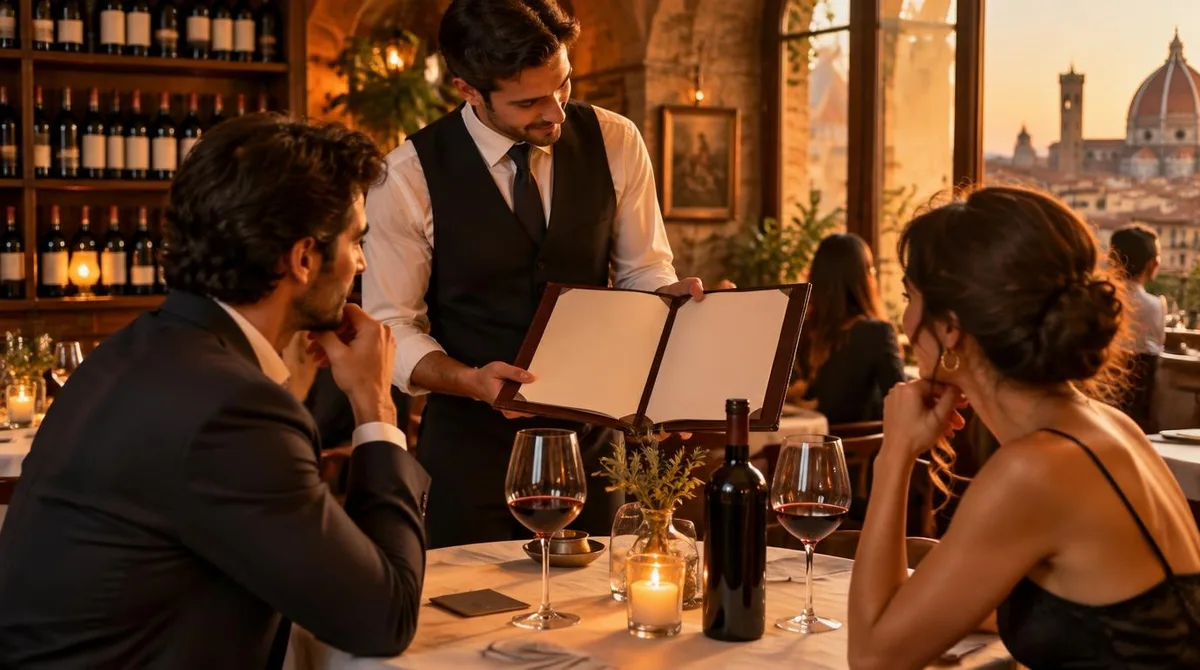
Intimidation does the markup's work for free. The Reluctant Gourmet's instruction is direct: ask for a bottle at a specific price point, which it calls literally their job, work most sommeliers would rather do than upsell. A number gives the one trained expert in the room something to work with. The same rundown suggests checking the wine list online before the meal and spot-checking a few prices against retail, which turns the conversation from guesswork into arithmetic.
Who this fits: every table with a budget. Who should skip it: nobody, though a guest who has already read the list online can walk in with candidates of their own. We covered a connected angle in What to know when a sold-out restaurant table shows up for sale online.
Which bottles carry the best and worst numbers
Fame is the expensive ingredient. Beckett's February 2011 check found one of the restaurant world's most popular champagnes, Billecart-Salmon rosé, at £70 a bottle on one list and £125 on another, and her conclusion points away from famous labels toward the obscure corners of the wine world. The Reluctant Gourmet lands in the same place by grape variety: Malbec, Tempranillo, or Mourvèdre, where less competition on the list often means better relative value, and it names the big brands whose recognition alone commands a premium.
Who this fits: drinkers optimizing the bill. Who should skip the hunt: anyone loyal to a specific champagne, since the documented spread shows that brand devotion is exactly what costs.
Conclusion: order the list, not the label
A wine list is a pricing document, and the logic now sits in one place. Bottom rungs carry percentage markups that sting, second-cheapest carries the worst of the bunch, famous names carry a recognition tax, and the value lives one or two steps up in less celebrated varieties. Give the sommelier a number and let them earn their title. That is the whole game, and it fits in one sentence: pay for wine, not for recognition.