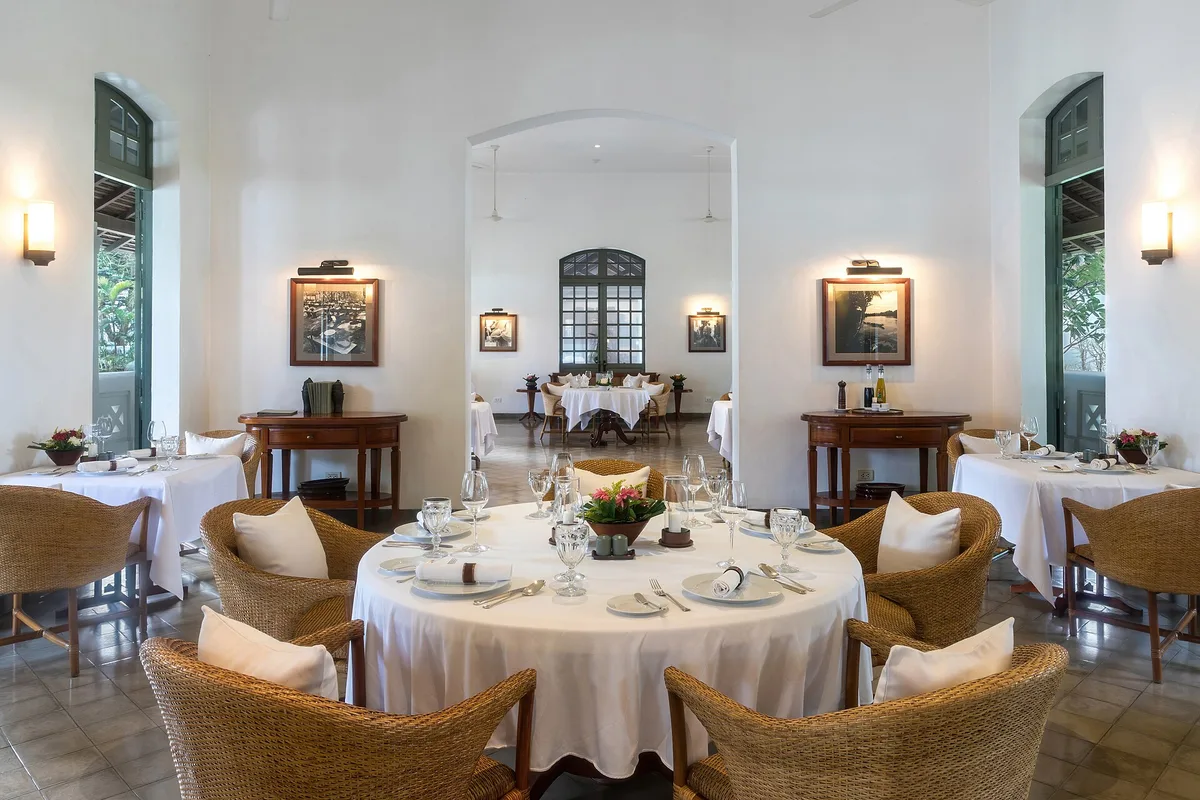
You want a dinner where the kids' menu is not a punishment for adults and the adult menu is not a trap for bored children. Three formats get the balance right: the arcade chain with a calm first-Sunday mode, the country-store chain where the wait is the entertainment, and the full-service family diner that answers the phone at odd hours.
Each pick below rests on documented, dated details: posted program pages and company records checked in October 2026. The rule behind them is simple. A family restaurant earns its keep when it treats the wait, the noise, and the menu as design problems — and states its limits in writing. This connects to our earlier piece, What a Restaurant's Health Inspection Score Actually Tells You Before You Sit Down.
Chuck E. Cheese, with a volume knob that goes both ways
The arcade-and-pizza format is the nuclear option: loud, bright, and the kids will sleep well. What earns it a spot on a parent's list is the off-ramp the chain built. Sensory Sensitive Sundays, part of the chain since 2016, opens participating locations two hours before normal hours on the first Sunday of each month, with dimmed lights, reduced sound, no flashing effects, and no reservation required. The chain's own page says it plainly: designed for children with autism or special needs and their families, open to all families. Skip the regular hours if your kid bolts from strobe lighting; the calm version is monthly and location-specific, so call before you promise anyone. The program page lists exactly what changes.
Cracker Barrel, where the wait works for you
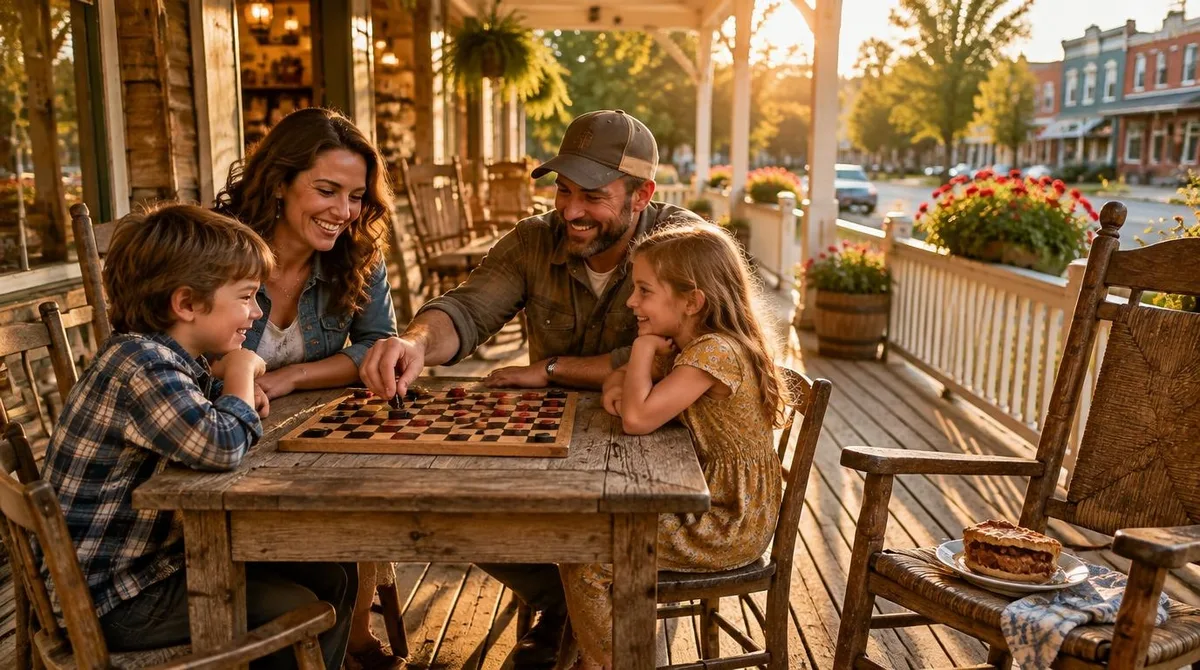
The chain operated 660 stores across 44 states as of August 2023, each built on the same trick: a front porch lined with wooden rocking chairs and an old-fashioned general store between the door and your table. Kids burn energy on the porch; adults browse the decorative artifacts instead of glaring at a host stand. The menu runs to traditional Southern cuisine, which keeps both generations fed without a negotiation. Skip it when the toddler is in grabby mode: the format is a sit-down room plus a gift shop, meaning breakable things at hand level and a pace that assumes patience. The company record documents the store-front-porch formula.
Denny's, the fallback with fine print
Over 1,400 restaurants, table service, and a company description that reads like your brief: one of the largest full-service family restaurant chains in the United States. Franchise agreements require 24/7 service in most locations, which makes it the answer at midnight when the plan collapses. But pandemic-era closures hit the overnight shifts, and the chain shut 150 underperforming locations in 2025, so the neon sign and the current schedule are different documents. Call the location, get tonight's hours dated, and then commit. Skip it for the celebration dinner; the format is diner-style table service, not an occasion room. The chain's record covers both the scale and the fine print.
The five-point check for any family table
Before you book anywhere, run the list:
- A kids' menu with something beyond fried options.
- High chairs and boosters that exist without a scavenger hunt.
- A wait you can survive — porch, pond, or play wall, not a bare lobby.
- A room that absorbs noise instead of punishing it.
- Posted hours that match the bedtime you are about to break.
None of that shows up in a review score. It shows up on the venue's own pages, which is where the checking happens. For related coverage, see What to know when a sold-out restaurant table shows up for sale online.
Conclusion: the format decides whether everyone eats happy
Family dining works when the venue designs for both generations and documents its own limits: a calm Sunday morning at the arcade chain, a porch that turns the wait into play, a diner that states its hours when you call. Check the dated page, pick the format that fits your kids, and nobody at the table has to lose.