A letter grade or a number taped to a restaurant window says a lot, but not everything. It is the record of one inspector, on one day, checking one list of rules. Read it well, and it becomes a useful tool instead of a mystery.
Inspections exist because unsafe food is a real risk. According to Wikipedia's food safety entry, the World Health Organization estimated about 600 million cases of foodborne illness worldwide in 2010. Roughly 420,000 people died. Regular checks of food businesses are one of the main defenses against that toll.
Who Writes the Rules
Restaurants and other retail food places fall under state law. State or local health departments do the regulating. The rulebook most of them start from is the FDA Food Code. It is a model guide for health agencies across the United States. It was first published in 1993 and has been updated every four years since 2001. According to Wikipedia's entry on the Food Code, its contributors include the CDC and the Agriculture Department's food safety service. Adoption is not universal. As of 2018, California was the only state where no agency had adopted the code. States can also keep their own versions. California runs the CalCode, its own retail food code.
America's first food laws date back more than a century. Upton Sinclair's novel The Jungle stirred concern about the meat industry. Congress answered with the Pure Food and Drug Act and the Federal Meat Inspection Act soon after.
The Code is written to be usable. It also includes references, the reasoning behind each standard, and model forms, which helps inspectors apply it the same way each time.
What the Inspector Actually Checks
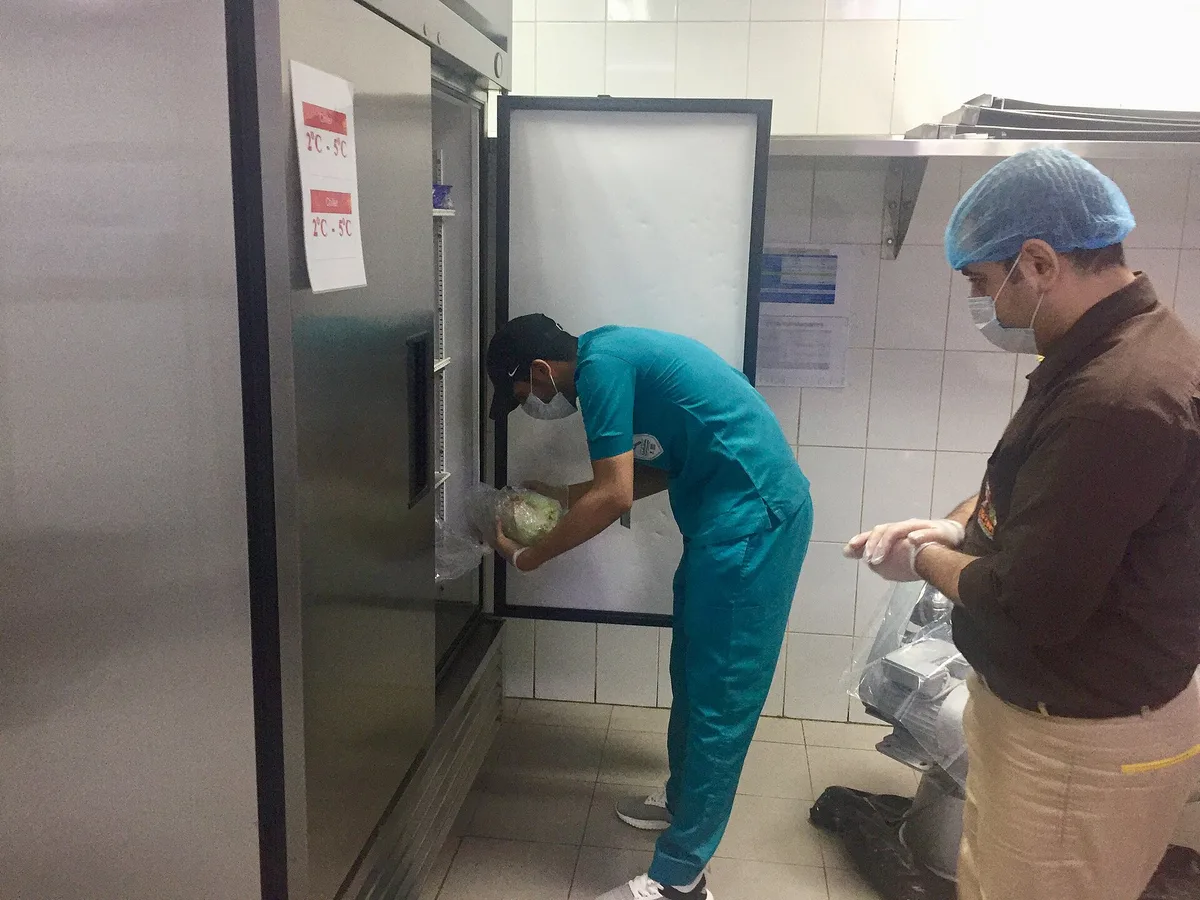
Food Code provisions cover management and personnel, food, equipment, plumbing, physical facilities, and chemical product use. Inspectors lean heavily on observation. They watch how staff handle food. They look for contamination risks in the kitchen and in storage areas.
Many places use a compliance-check style. That means checklists, scores, and different weights for different violations. The scores are not just for show. Rules often prescribe actions based on score ranges. Those actions can include enforcement or changes to how often a restaurant gets inspected. Traditionally, inspectors reported problems and gave the operator time to fix them. Fines and other penalties can follow when issues stay unresolved. New tools are arriving too. Wikipedia notes that artificial intelligence is increasingly used in food safety to spot hazards and support risk checks. For related coverage, see Tipping in the United States: who gets what, and when it isn't optional.
Why the Same Score Means Different Things
There is no universal scale. Each city and county builds its own scheme, and each may weight violations differently. A score in one town is not equal to the same number in the next. In some places, a letter grade or number must be posted right after each inspection. Elsewhere, results live online. Those postings can include the problems found and the fixes required. That is why a score travels badly. It only makes sense inside the system that issued it.
How to Read a Score Before You Sit Down
- Treat the score as a snapshot of one inspection day, not a lifetime record.
- Look at what failed, not just the total. A cracked tile and improper food cooling are not the same problem.
- Check whether your city or county posts full reports online, then read the notes.
- Give more weight to repeated critical findings than to a single past dip.
Conclusion
An inspection score is a window into the kitchen, but it has a frame. It reflects one visit, one checklist, and one set of local rules. Find out who issued the grade, read the details behind the number, and compare restaurants within the same system. Do that, and the score in the window becomes the honest signal it was meant to be. We covered a connected angle in Boston's Classic Restaurants: Where a First Visit Should Start.