Two trusted-traveler programs, one decision you make once every five years. Short version: domestic trips need TSA PreCheck, $79.75 to $85 across the three enrollment providers TSA lists, checked October 2026. Trips that cross borders need Global Entry, $120 per CBP, checked October 2026. It adds the customs lane on arrival and CBP lists PreCheck access among its benefits.
Both programs run on the same bargain: a background check up front buys a shorter line for years. Where they split is which line shortens, what happens when the plane lands, and how long the approval takes. Here is the breakdown, with the prices as posted in October 2026. Readers following this should also see Venice's 2026 access fee is over — and the mayor wants a bigger one next time.
What PreCheck does at the checkpoint
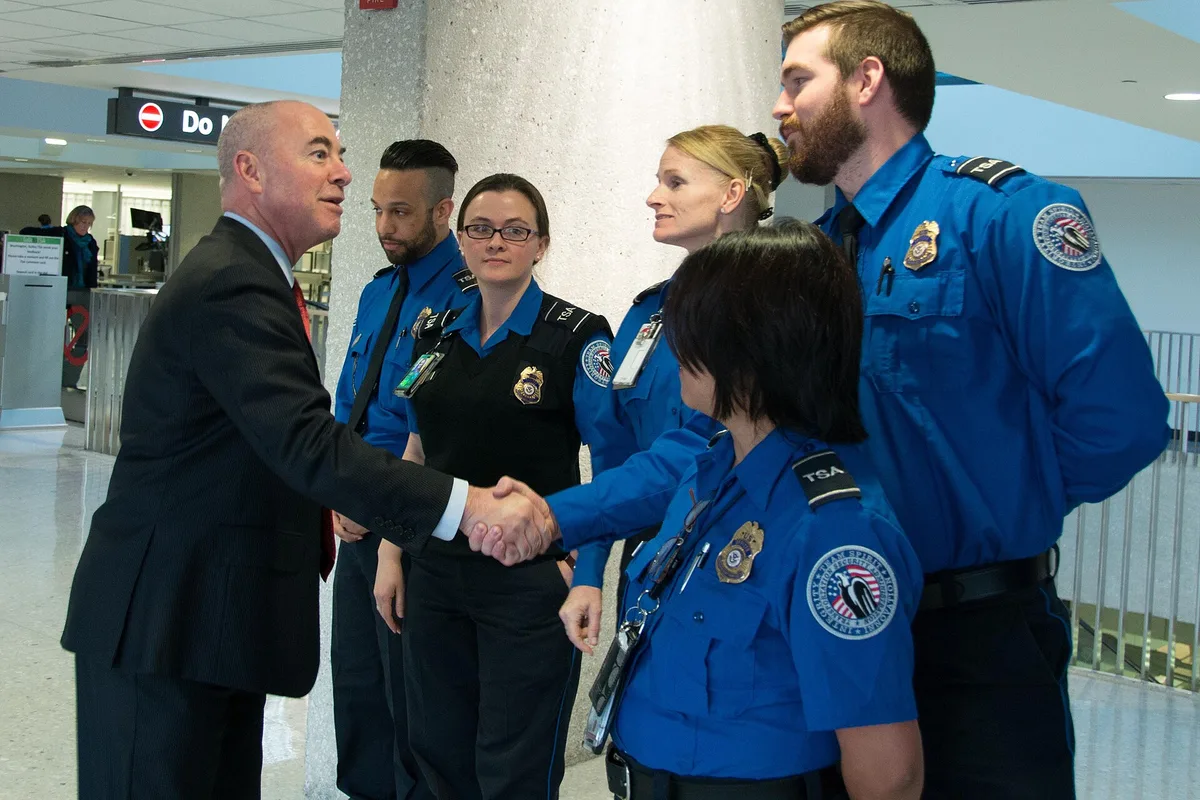
PreCheck is the domestic workhorse. Shoes, belts, and light jackets stay on, and electronics and 3-1-1 liquids stay in the bag, per TSA's own description, checked October 2026. The agency puts the speed in numbers: about 99 percent of PreCheck passengers wait less than 10 minutes in the dedicated lanes. Families catch a break too, because children 17 and under can join an adult in the PreCheck lane for free, so two memberships can carry a family of four. The catch sits in the booking flow. The Known Traveler Number has to go into each airline reservation, or the boarding pass prints without the marker and the regular line it is.
What Global Entry adds after landing
Global Entry is CBP's program for arrivals: expedited clearance for pre-approved, low-risk travelers upon arrival in the United States, per CBP's program page, checked October 2026. The application fee is $120 for five years, and the benefits list includes TSA PreCheck access, so one approval covers the departure line and the customs hall. The price is patience. Every applicant undergoes a background check, first-time enrollment requires an in-person interview, and CBP notes most applications are reviewed within two weeks while some take up to 12 months or longer depending on criminal history. Minors apply free when a parent is already in or applying to the program.
How the money compares
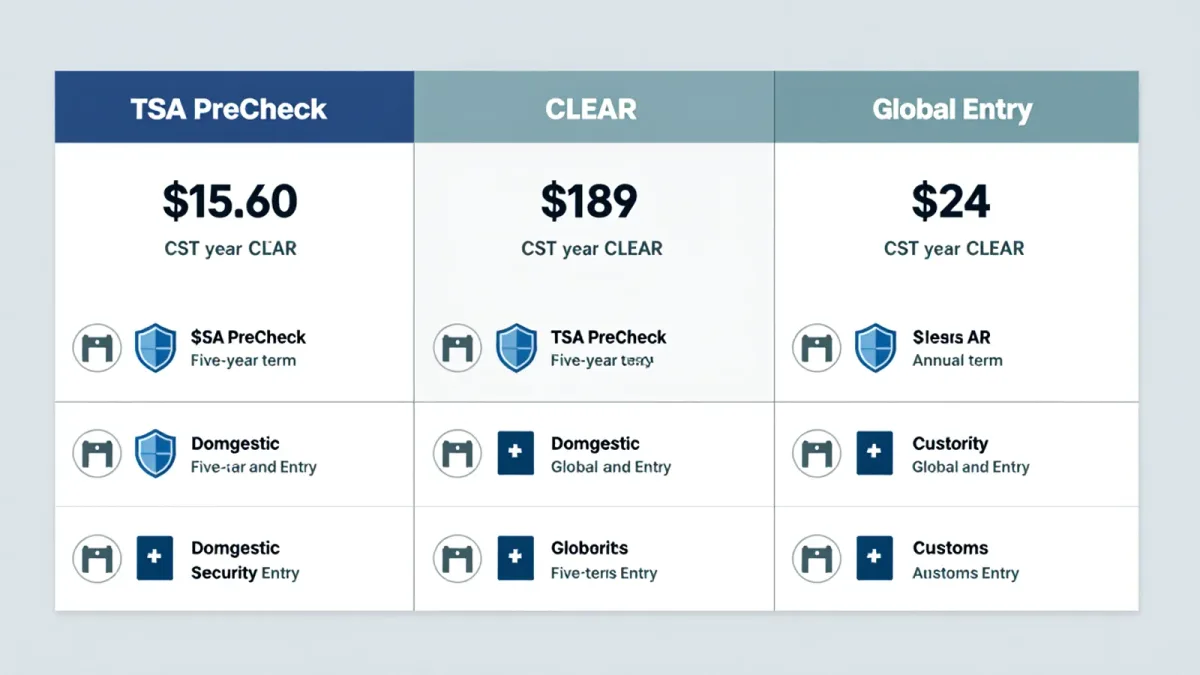
The five-year math favors picking once and picking right. PreCheck enrollment runs $85 at Telos, $84.95 at CLEAR, and $79.75 at IDEMIA, with renewals from $58.75 online, per the provider prices TSA posts in October 2026. Global Entry costs $120 for the same five years and includes PreCheck access, so the gap of roughly $35 to $40 buys the customs lane on top. Buying both separately means paying twice for one benefit, since the memberships overlap. The second purchase becomes a donation. Renewal prices differ by provider too, and TSA posts each one, so the second term can cost less than the first. We covered a connected angle in Venice has published its 2026 access fee calendar, and it is much longer than last year's.
Who should skip each one
CBP draws the skip line for Global Entry itself: travelers who take fewer international flights should consider PreCheck plus the free Mobile Passport Control app, per the agency's own guidance. Frequent border-crossers should skip a PreCheck-only setup, since $79.75 to $85 for lanes that stop at the security checkpoint leaves the customs hall untouched. And anyone flying within the next few weeks should calibrate expectations either way: PreCheck enrollment happens in person with fingerprints and a photo, while Global Entry adds an interview plus a review window that CBP itself stretches to a year.
Conclusion: the line that fits the passport
Pick by the passport, not the plaque. Domestic-only travelers get the shorter security line from PreCheck at $79.75 to $85, with the kids riding along for free. International travelers put $120 into Global Entry and collect both lanes, customs included, assuming the interview calendar cooperates. Either way, check that the Known Traveler Number lands in every reservation, watch the five-year clock, and let CBP's own rule settle the tie: fewer international flights means PreCheck and the free app.