The honest math on American outlet malls: you can save 30 to 70 percent off retail, but only on the minority of stock that actually came from a full-price store. The rest — often the majority at big names — is "made for outlet" merchandise, produced cheaper specifically to be sold at a discount that looks bigger than it is. Learn to tell the two apart and an outlet trip works; skip that step and you are paying mid-tier prices for lower-tier goods with a designer label sewn on.
This is a sourced roundup based on retailer pricing practices documented by consumer reporters and regulators over the past decade, current as of early 2026; no visit is behind it.
How do you spot made-for-outlet merchandise?
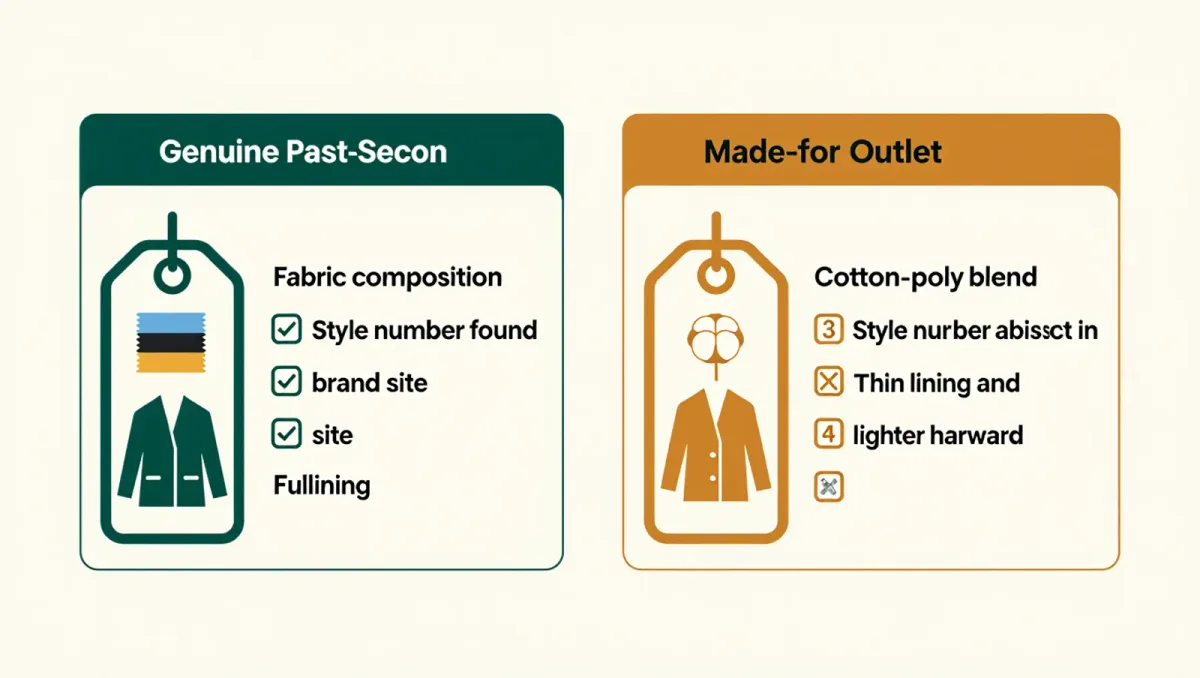
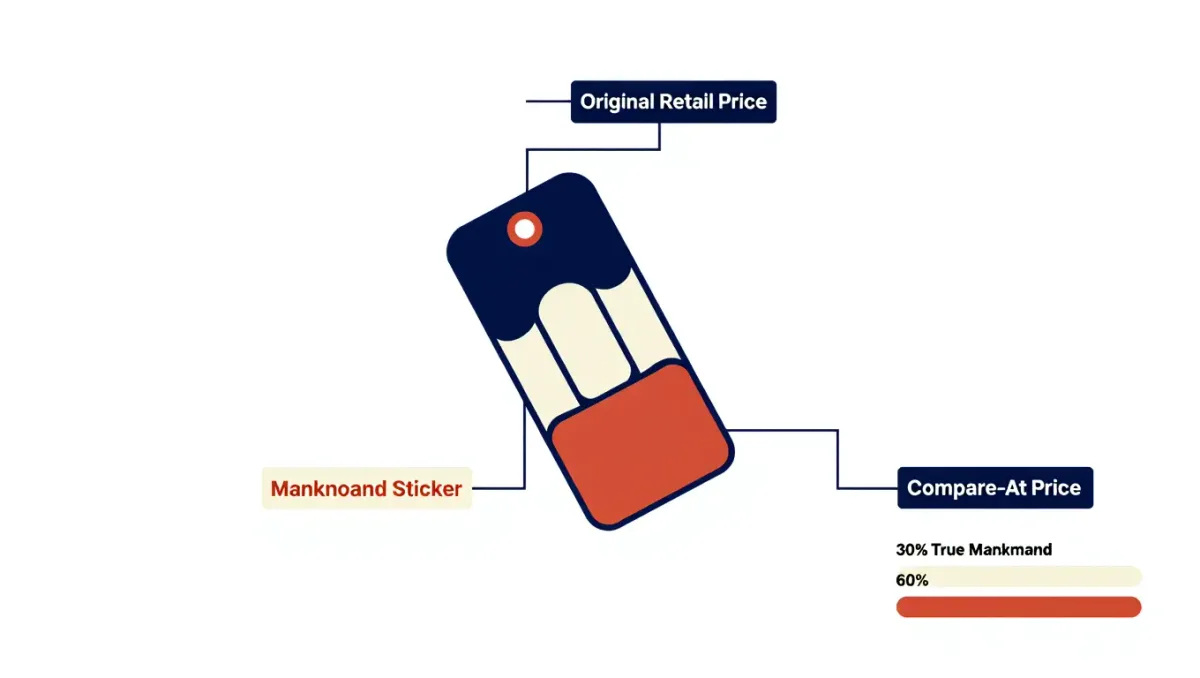
Three tells, all visible from the rack. First, the label: many brands mark outlet-only lines with subtle differences — an extra stitch, a different logo font, a "factory" tag, or for one major activewear brand, a cheaper fabric blend with a lookalike logo. Second, the price tag itself: true carryover stock often has the original retail price printed on the internal tag with a markdown sticker over it, while outlet lines have a single tag whose "compare at" price was never charged anywhere. Third, the feel: outlet-line cotton is thinner, zips lighter, soles softer. Pick up the outlet version and a full-retail version in the same mall's regular store and the difference is obvious in your hands.
When during the year do outlets actually get cheap?
The baseline discount is engineered to feel generous every day; the real drops stack on top during holiday weekends. Memorial Day, July 4th, Labor Day, Black Friday, and the post-Christmas week are when extra percentages — commonly an additional 25 to 50 percent off already-reduced items — appear mall-wide. January is a strong month for two reasons: holiday clearance is at its deepest, and winter coats and boots hit their seasonal low just as international visitor traffic dips. Weekday mornings beat weekends by every measure: shorter lines at the register, restocked racks, and staff with time to check the stockroom for your size.
Which categories are worth the trip — and which are not?
Worth it: carryover stock in categories where last season barely matters — leather goods, coats, denim, sturdy shoes, luggage, cookware. A two-year-old design of a quality winter parka is still a quality winter parka. Also worth it: brands whose outlet lines are known to be built to the same spec, which consumer reporting over the years has flagged for a handful of labels — the exceptions prove the rule, so verify per brand rather than assuming.
Not worth it: the outlet-only lines of prestige fashion brands, where the cheaper construction carries the logo but not the quality, and small electronics, where outlet stock is often discontinued models with outdated specs. Also skip the "coupon book" upsell — many outlets sell a discount passbook at guest services, and while international visitors get them free at some malls with a passport, the arithmetic usually favors one or two stores at most.
What is the actual strategy for one day at an outlet?
Walk the whole mall first without buying anything. Prices for the same item routinely vary between the brand's own outlet and the multi-brand clearance stores at the same complex, and you cannot know your target price until you have seen the range. Photograph tags of candidates with your phone. Then do a second lap and buy only what beats the best price you photographed. Budget two to four hours for a large outlet; beyond that, decision fatigue starts signing receipts for you.
Set a per-item ceiling before you enter — the house money trick of outlets is that a "$200 coat, now $89" feels like winning regardless of whether you needed a coat. The refund structure matters too: sales tax on outlet purchases is real, and in most US states it runs 6 to 10 percent on top of the tag, which shaves the advertised discount.
Can tourists combine outlet prices with tax-free shopping?
Partly. The US has no national VAT refund, but a handful of states — among them Oregon, Delaware, Montana, New Hampshire, and Alaska — charge no sales tax at all, and shopping an outlet in one of them means the tag price is the final price. In every other state, whatever the register prints includes tax. Some private refund services operate for international cards at a few shopping centers, but their fees typically swallow most of the difference, so the no-tax states are the cleaner play.
If the tag says "compare at" and you never saw the item at that comparison price anywhere, you are not looking at a discount. You are looking at marketing.
Who should skip the outlet trip entirely?
If you are shopping for this season's runway pieces, outlets will disappoint — carryover stock is the point. If your time in the US is short, a day at an outlet an hour from the city competes badly with the things you actually traveled for; buy online from the same brands' clearance sections instead. And if you hate lines and bulk: the honest best deal at any outlet mall is the food court, on your way back to the bus.