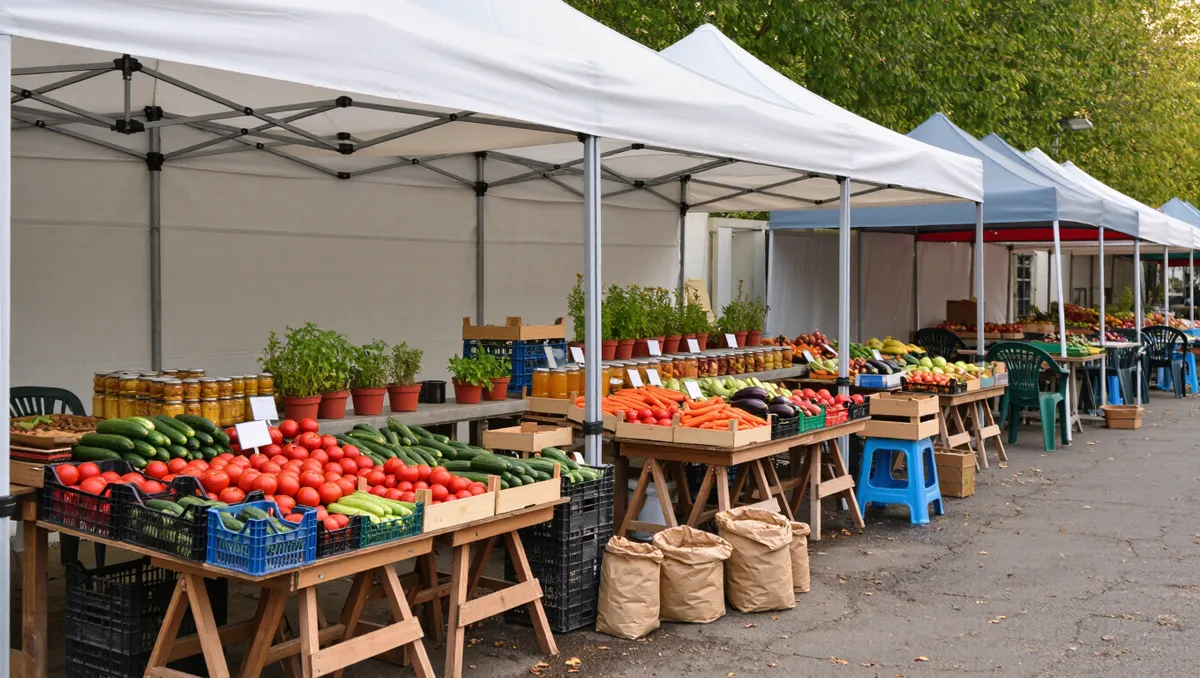
Boston's best shopping isn't in a mall. It runs along a few compact neighborhoods: a Victorian brownstone street lined with independent boutiques, a colonial hill of small specialty shops, a market district where local makers sell direct, and a weekend open market for vintage. You can cover most of it on foot in a day, and the T — the country's oldest subway system, per Wikipedia's Boston entry — gets you between them without a car.
The catch is that the areas suit different trips. Newbury Street is for browsing and price-comparing; Beacon Hill is for small, specific gifts; the SoWa area is for buying straight from the maker, mostly on weekends. Pick your neighborhood by what you're actually shopping for, not by a list. Here's the breakdown, fastest wins first.
What's the quickest route if you only have half a day?
Start on Newbury Street in Back Bay. It's the densest stretch of independent retail in the city: eight blocks of brownstone storefronts, with the pricier names near the Public Garden end and the more casual, younger shops toward Massachusetts Avenue. Walk one side down and the other side back. If a shop disappoints, the next one is twenty steps away, which is the whole point of shopping a street instead of a mall.
Back Bay itself is one of the city's defining neighborhoods — the Wikipedia overview of Boston describes it as reclaimed land beyond the original Shawmut Peninsula, which is why the grid is so unusually regular for a colonial city. Practical translation: it's flat, walkable, and hard to get lost in. Give Newbury two to three hours, then decide whether you want vintage or food more than more retail.
Where do you buy from local makers?
The South End's SoWa district is the answer, with a caveat about timing. Its open markets and maker studios run strongest on weekends, when artists, vintage dealers and food vendors set up together. Buy direct from a maker and you skip the retail markup entirely — the same logic we applied in Duty-free or the local market: where your souvenir money actually goes further. A ceramicist's stall price is almost always better than the boutique price for the same mug three neighborhoods over.
Who should skip it: anyone visiting midweek. If the markets aren't running, SoWa's galleries and studios are pleasant but thin, and you'd do better back on Newbury. Check days and hours before you build a morning around it — weekend market schedules shift seasonally.
What about Beacon Hill and small gifts?
Beacon Hill is the neighborhood for a specific gift rather than a shopping trip. The streets around Charles Street — Acorn Street among the most photographed in the city, per the Wikipedia Boston page — hold small shops selling stationery, home goods, antiques and children's things. Prices run high per item; the value is in the curation. If you need one good present for a hard-to-shop-for person, this is where you'll find it in twenty minutes instead of two hours.
Our analysis: treat Beacon Hill as a precision stop, not a browse. The shops are small, and several close earlier than their Back Bay counterparts. Go in the morning or early afternoon, buy the thing, then walk down to the waterfront. Boston Common, established in 1634 and the nation's first public park according to Wikipedia's entry on the city, sits at the bottom of the hill and makes a natural end point.
Where does vintage fit in?
Vintage in Boston splits into two modes. The curated end lives in the South End and along Newbury's lower blocks — small racks, edited stock, prices that reflect someone's sorting labor. The dig-through end lives in weekend markets and a handful of larger secondhand shops near the universities, where the prices are lower and the hit rate is worse. If you enjoy the hunt and have an hour, go digging. If you want one good jacket, pay the curation premium and leave.
One rule from the markdown meetings I used to sit through: vintage pricing is made up until someone checks it. A 1990s blouse with a designer label is not automatically worth the ticket. Feel the fabric, check the seams, and compare against what a new equivalent of the same quality would cost. Sometimes the answer is that the vintage piece wins outright. Sometimes it's a $40 shirt asking $120 because of a name.
What should you skip, and how does this compare to other cities?
Skip the outlet run. Greater Boston has outlet shopping within driving range, but the made-for-outlet problem applies — we've covered how that works in How to shop an American outlet mall without paying the made-for-outlet markup. If your time in the city is short, the neighborhoods above give you better goods per hour. Also skip Faneuil Hall's tourist-facing retail core unless you need a souvenir in a hurry; the surrounding historic market area is worth the walk, but the shops themselves are the least interesting retail in this guide.
Compared with a European shopping city, Boston's advantage is returnability and fixed prices — no haggling culture like the one we described in How to bargain in Istanbul's Grand Bazaar without embarrassing yourself, and no VAT refund paperwork like How the VAT refund actually works when you shop in Europe. The sticker price is the price. That's simpler, and sometimes it means the deal is worse — which is exactly why you check the fabric before you check the label.
What this means for your trip
The evidence here points to one plan: one anchor neighborhood matched to what you're buying, plus one wildcard. Newbury for browse, SoWa for makers on a weekend, Beacon Hill for the specific gift, vintage where your patience allows. Everything is walkable or one T stop apart, which is more than most American cities can say. If your trip extends toward the coast, the same logic scales down nicely in Cape Cod shopping: a route that runs from antiques to artisan made goods. And before you fly home, check What you can actually bring home to the US without paying duty — domestic purchases don't owe duty, but it's worth knowing your allowance if you're connecting through elsewhere. What remains unknown is any single shop's current hours or stock; verify those directly before you build a day around one address. Readers following this should also see Cape Cod shopping: a route that runs from antiques to artisan made goods.