Buy K-beauty in Seoul and the value case is three-layered: Korean street prices run below export markups, the 10 percent VAT can be deducted instantly at participating tax-free stores once your purchase clears the minimum — around 30,000 won per store per day, passport in hand — and the drugstore-tier brands rarely exported at all are on every corner in Myeongdong. Do all three and a skincare haul prices at roughly half of what the same items cost through importers at home.
This is a sourced roundup of the tax-refund mechanics and the retail geography as they stood in mid-2026, based on Korea Customs Service rules and retailer practice; no shopping trip of ours is behind it, thresholds can change, and this publishes information, not shopping or tax advice.
How does the Korean tax-free system work?
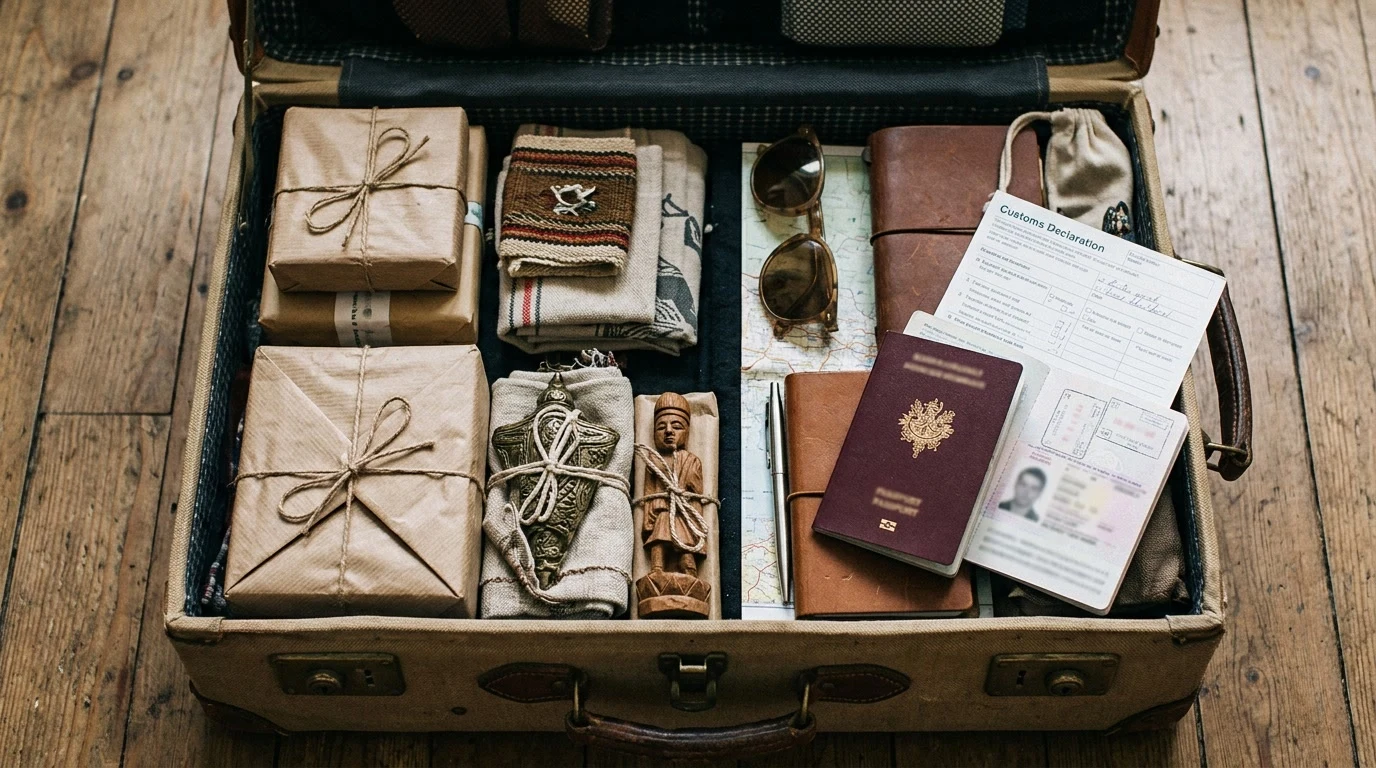
Two routes, and knowing which one applies saves an airport queue. In stores displaying tax-free signage, foreign tourists can have the VAT deducted on the spot: show your passport before paying, clear the store's minimum purchase for the day, and the register prints the discounted total. The paperwork — a refund slip or the purchase being logged against your passport — travels with you, because the goods must leave Korea with you, generally within three months.
For stores without the instant deduction, the classic route applies: pay full price, get the refund receipt, and process it at Incheon or Gimpo before departure at the kiosks and counters, taking cash or card credit. The airport version works but costs you the one resource a departure day never has enough of — time. Where both exist, take the register.
Where does the shopping actually happen?
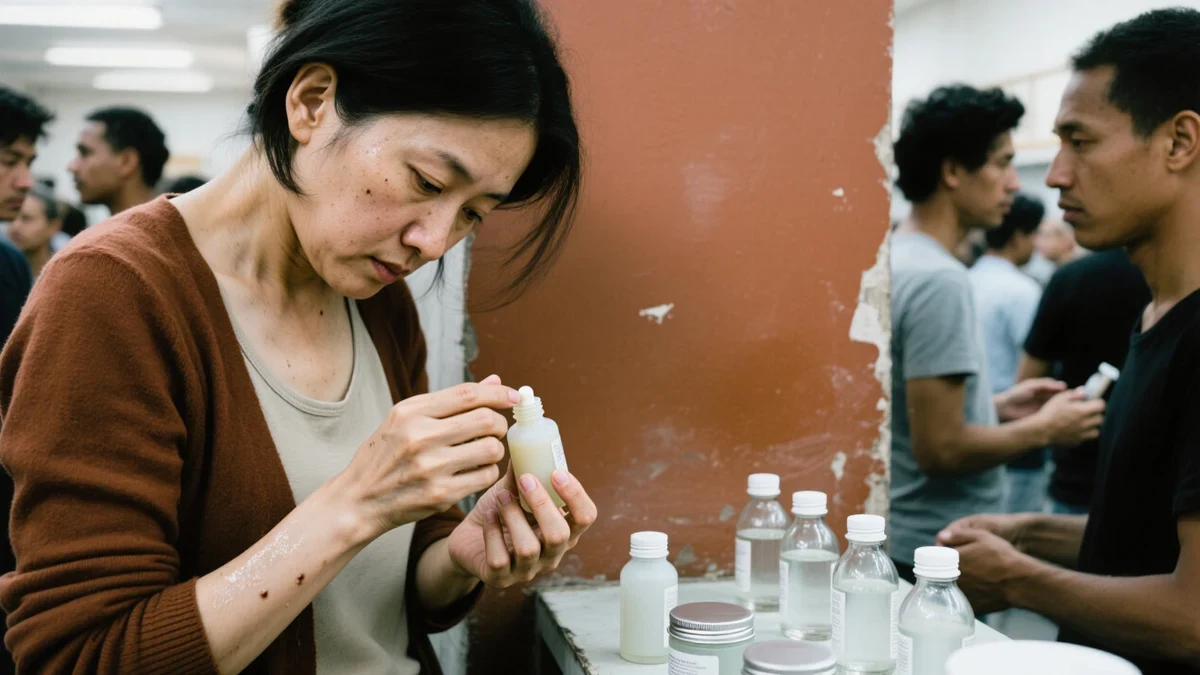
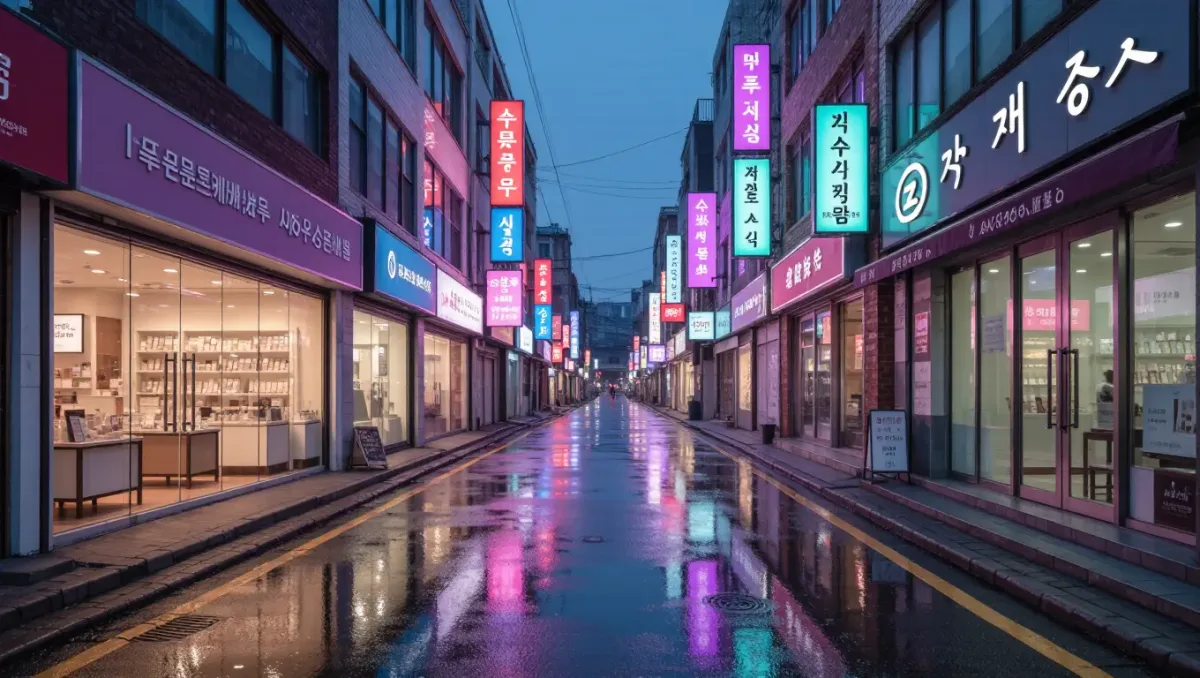
Myeongdong is the center of gravity: blocks of skincare flagship stores, staffed with English- and Chinese-speaking clerks, sample tables out front, and bundles that change weekly. Olive Young, the drugstore chain, is where Korean residents actually shop — own-label lines, mid-tier brands, and prices at domestic retail — and it participates in tourist tax-free processing at major branches. Department store cosmetics floors cover the prestige houses with broader tax-free service; duty-free mall complexes downtown and at Incheon handle the luxury tier with passport-based pricing but not always the best per-item price once the instant-deduction stores do their math.
What is worth buying that you cannot buy at home?
The domestic-first tier is the argument for the trip: brands and sub-lines that never clear export distribution, hospital-adjacent cosmeceutical lines sold through Korean pharmacies and clinics, and seasonal variants that export markets see months later or never. The logic mirrors pharmacy shopping in Paris — the home market gets the full catalog, the export market gets a curated, marked-up slice of it. Spot-check prices against your home retailer before flying out: a handful of hero products are priced globally, and the savings there is only the VAT.
What are the limits and the catches?
The goods must be exported — use the products in Korea and the deduction was not owed, a rule enforced on paper more than in practice but real at the margin. Purchase minimums apply per store per day, so spreading a haul across several shops is normal. There is a ceiling on instant deductions per person, so extreme hauls split across days or brands. And the classic tourist tax: bundles and "special gift" promotions that bundle in sample packets sometimes carry a higher per-item price than the plain sticker at the store next door — Myeongdong's competition makes comparison shopping cheap in both time and won.
- Passport out before paying — no passport, no deduction, no exceptions at the register.
- Check the store's minimum for the instant deduction before filling a basket.
- Keep refund slips accessible for the flight out if you used the airport route.
- Compare Olive Young's plain prices against flagship bundles before you commit.
The department store floor is where the service is; the drugstore chain is where the prices are; the flagship street is where the samples are. Most hauls want one of each.
Timing matters more than most shopping advice admits. Seoul's big retail seasons — new-line launches in January, and the summer promotion wave from late June — bring gift-with-purchase events that stack on top of tax-free pricing, while restock cycles mean a sold-out domestic line can reappear within weeks rather than months. Shopping on a weekday morning buys you staff time: samples get cut generously when no queue is forming behind you, and the bundle math gets explained rather than pointed at.
Who should skip the circuit?
If your routine is built on one or two imported products, check the import price first — the trip's savings do not survive a flight on their own. The circuit earns its keep for haulers: people restocking a shelf, gift-building, or brand-exploring, who can spread minimums across stores and let the VAT deduction compound with domestic pricing.