
Why the same brand shows a different 'original' price at European and American outlets
Outlet shopping runs on discount math, and that math is written on two sides of the Atlantic. Here is how the tags differ, and what it means for your wallet.
Coverage of what travelers buy and what it truly costs: craft workshops, department stores, weekend markets and the duty-free arithmetic that rarely favors the shopper. Each piece flags fakes, fair prices and shipping options. Written for anyone with a half-empty suitcase and no patience for a visitor surcharge.
Shopping coverage from Daily News Voyage.
Outlet shopping runs on discount math, and that math is written on two sides of the Atlantic. Here is how the tags differ, and what it means for your wallet.
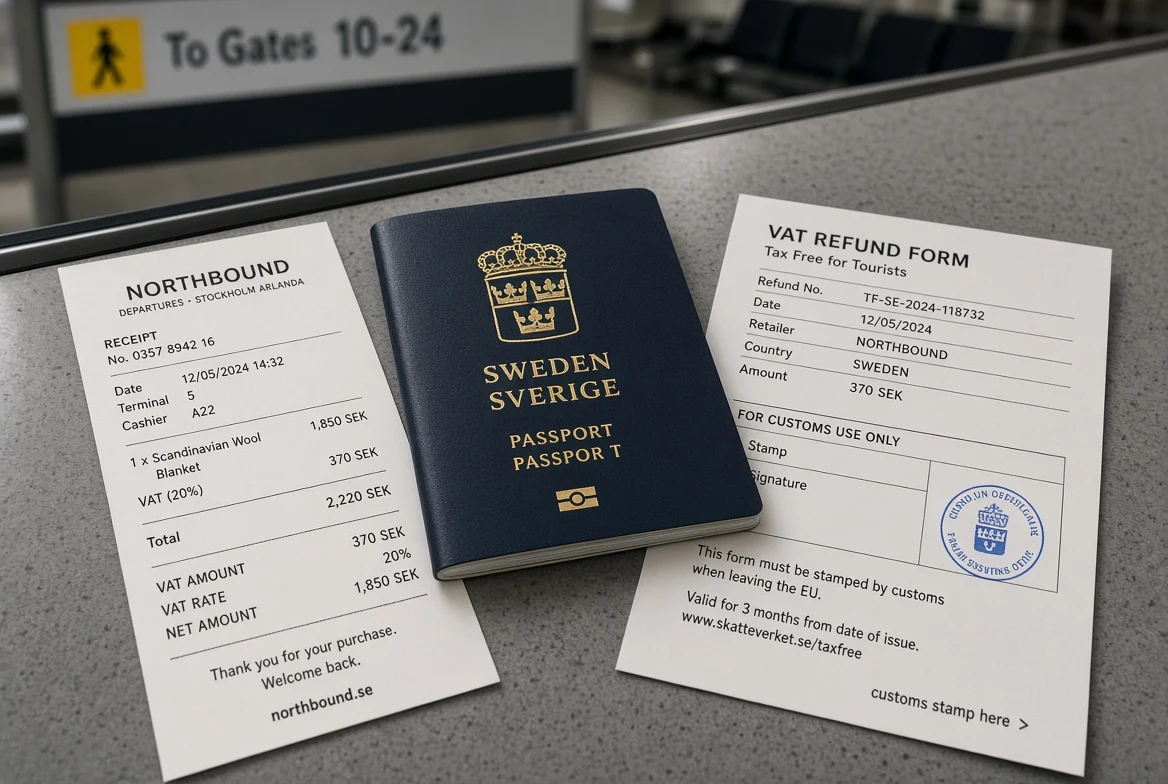
The tax-free sticker in the shop window is only step one. Here's what happens between the register and your bank account, and where the process trips people up.
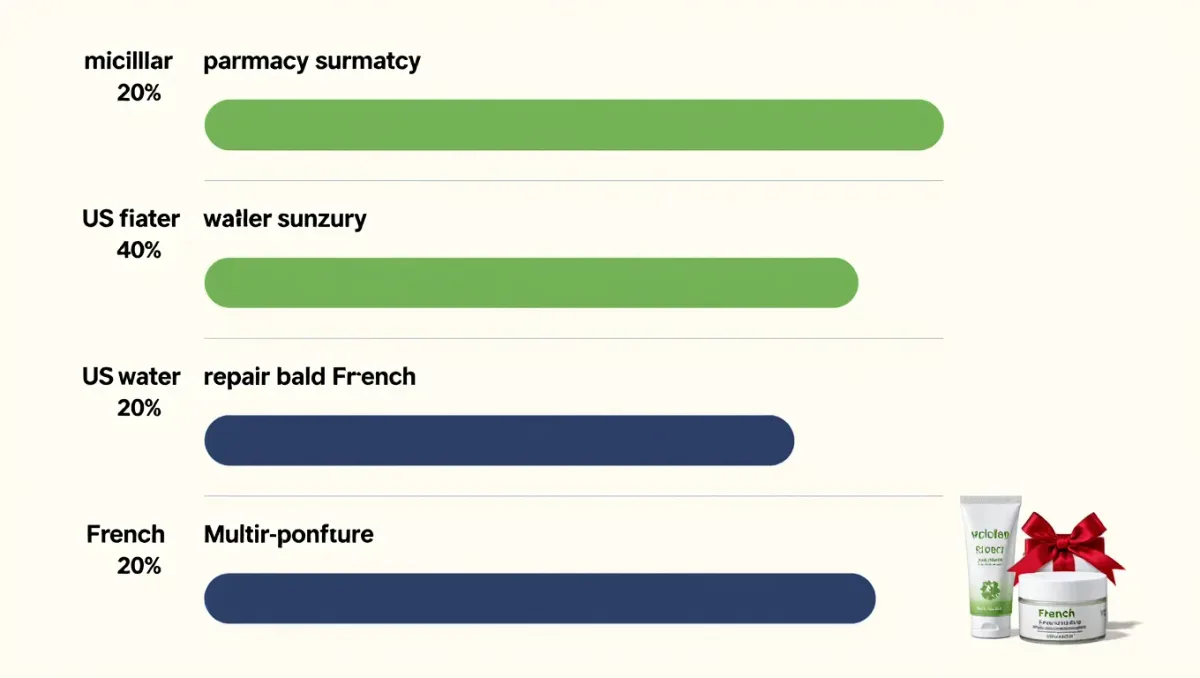
French pharmacy skincare runs 20 to 40 percent below US retail for the same brands — the strategy is knowing the ten products worth the errand and skipping the famous Saint-Germain queue unless you collect queues.
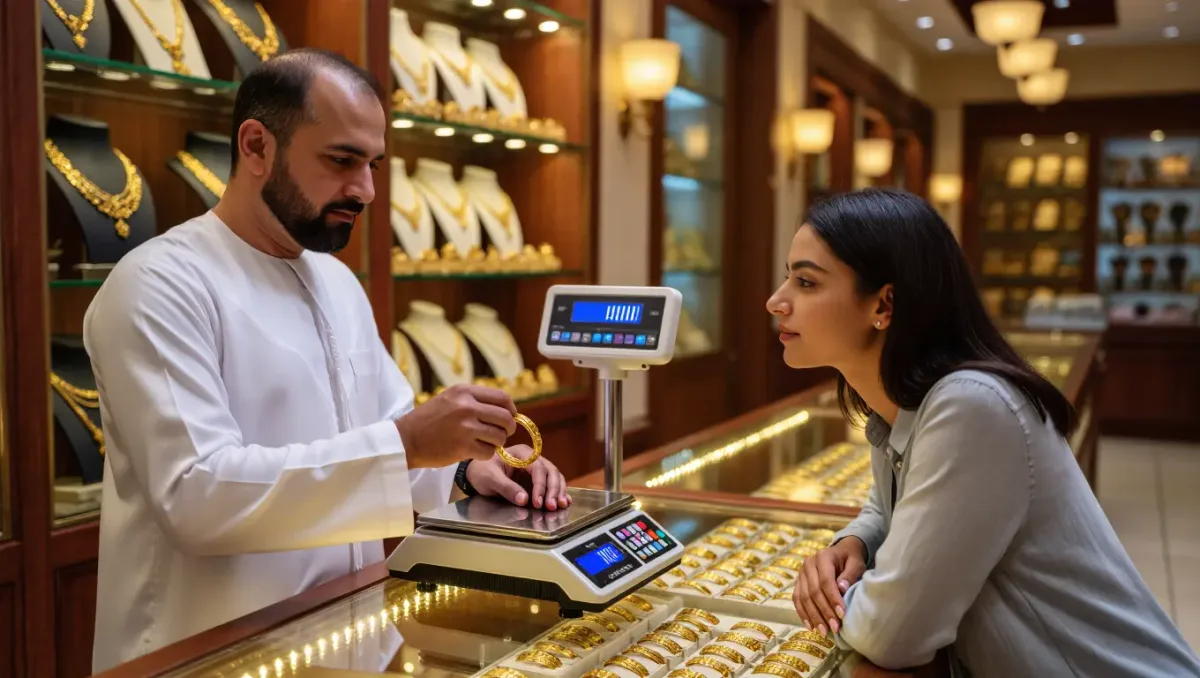
Gold in Deira is priced daily by the gram on a public board, so the only negotiable part of any purchase is the making charge — which means the entire skill of souk shopping is knowing what the metal costs before you walk in.

South Korea's 10 percent VAT comes off at the register in participating stores once you pass the purchase minimum with your passport — and Myeongdong's skincare street is where the math works hardest.
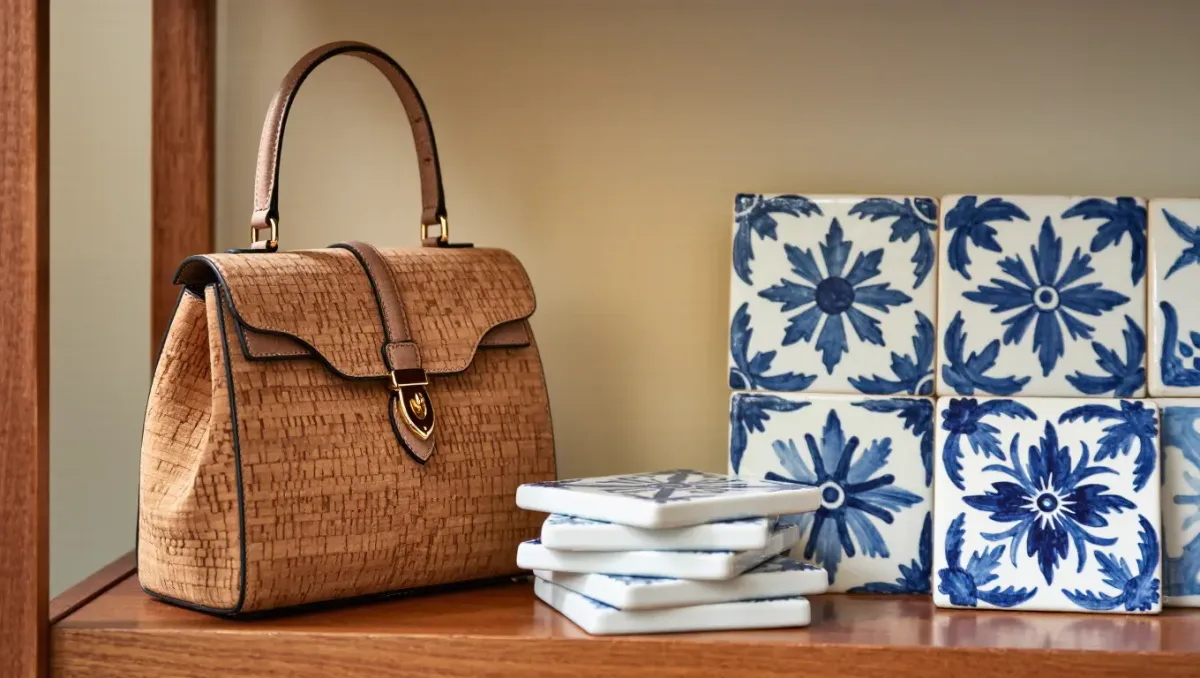
Cork, azulejo tiles, canned sardines, and gold filigree are the genuine article — everything else in Lisbon's souvenir windows tends to be a magnet with a rooster on it.