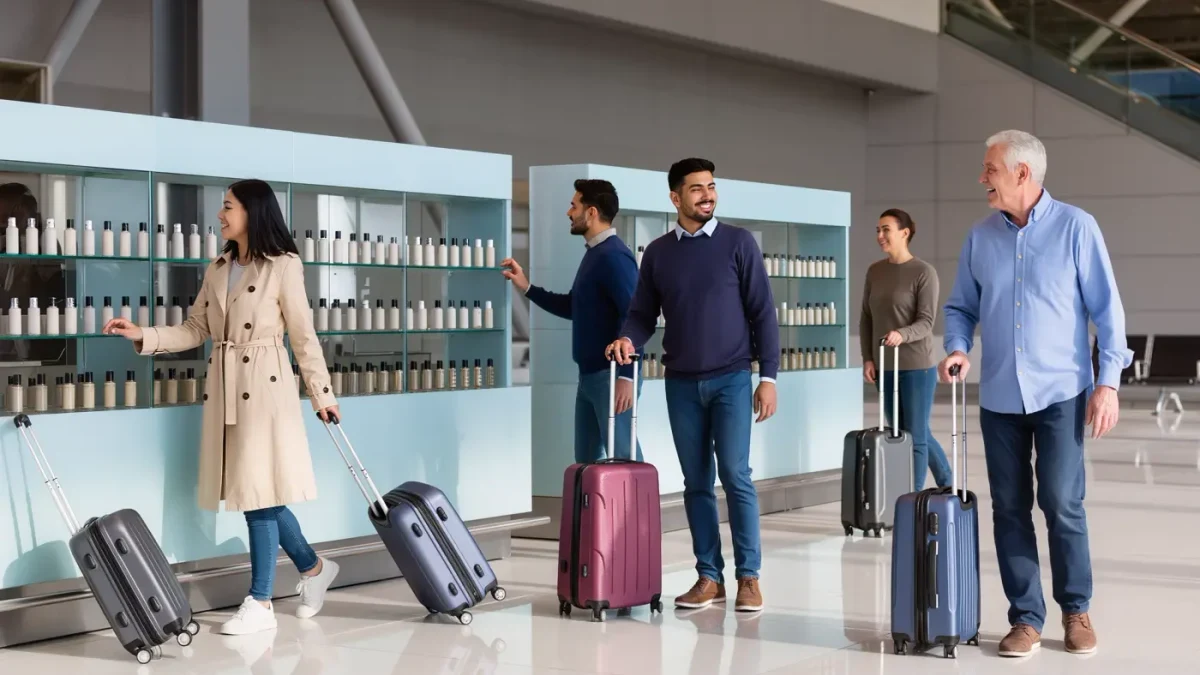
Three categories carry the whole duty-free promise: spirits, tobacco, and fragrance, where the removal of excise and import duties produces genuine double-digit savings against typical home-country prices. Chocolate, souvenirs, and beauty gift sets are priced for convenience; electronics are routinely more expensive than online; and anything with a "duty-free" tag alone proves nothing about the price. The trick is knowing that duty-free means taxes were not charged — not that the sticker is the cheapest in town.
This is a sourced roundup of pricing patterns reported by consumer outlets and customs authorities, current as of early 2026; no shopping trip is behind it, and prices shift by airport and month. Before you plan purchases around the rules, check your own customs limits — for travelers returning to the United States, US Customs and Border Protection publishes its exemption thresholds directly. And the usual house note: this article publishes information, not financial or legal advice.
What duty-free actually saves you
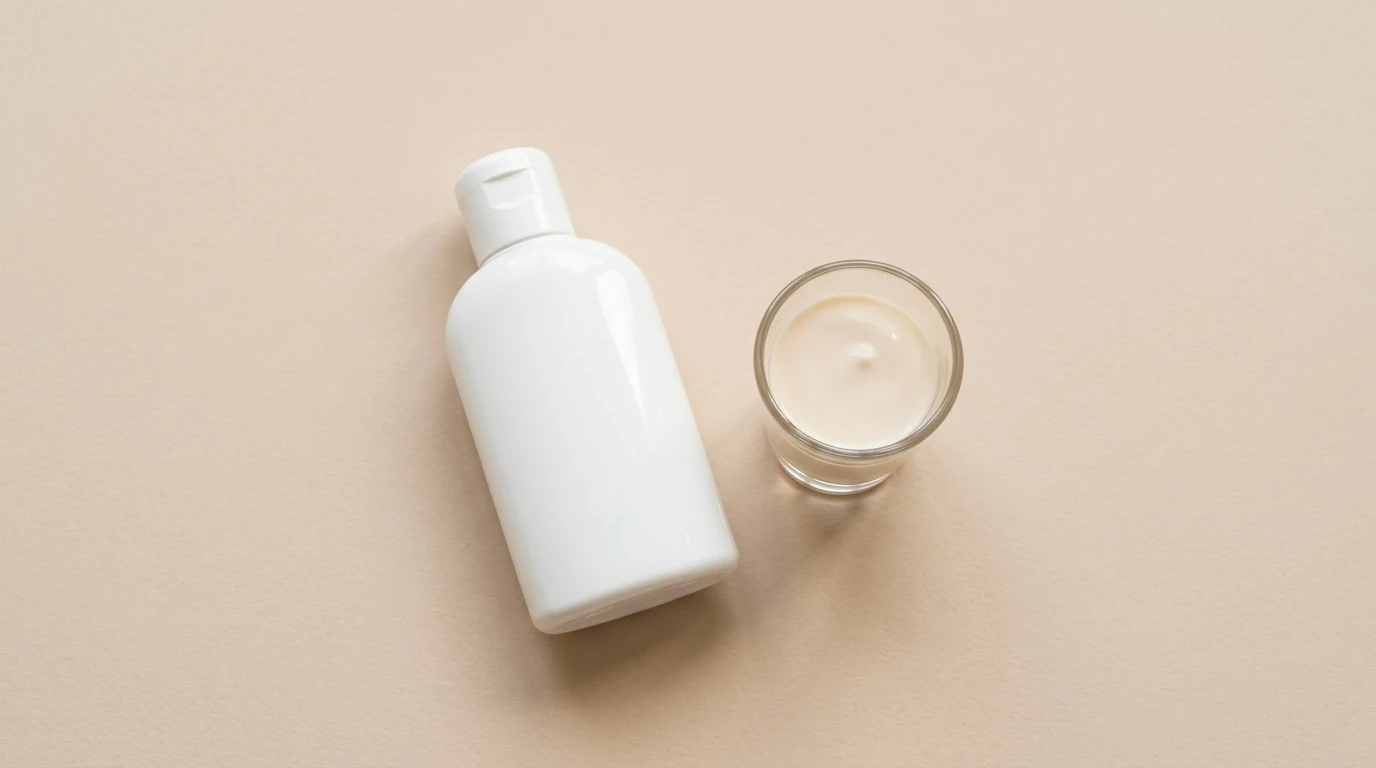
The savings come from three taxes that do not apply inside the customs zone: import duty, value-added or sales tax, and — for alcohol and tobacco — excise duty. On a bottle of Scotch, excise alone is a large slice of the UK shelf price, so airport bottles can land 20 to 40 percent under home retail. Fragrance carries high VAT and no excise, so the 1-liter-plus gift sets frequently undercut department stores. Those are the two slots where the terminal shop is a legit first stop rather than a last resort.
What is never worth the airport price
Electronics top the list: headsets and cameras at duty-free typically price above what you would pay online at home, sometimes dramatically. Chocolate and local sweets run 30 to 50 percent above supermarket equivalents — you are paying for the box and the location. Toys, plush mascot goods, handbags, and sunglasses sit at or above city-center retail. The airport bookstore's discount plaque does not make bestsellers cheap. If you would not buy it in a train station shop at home, the airport version is not a deal either.
How do the customs limits work on the way home?
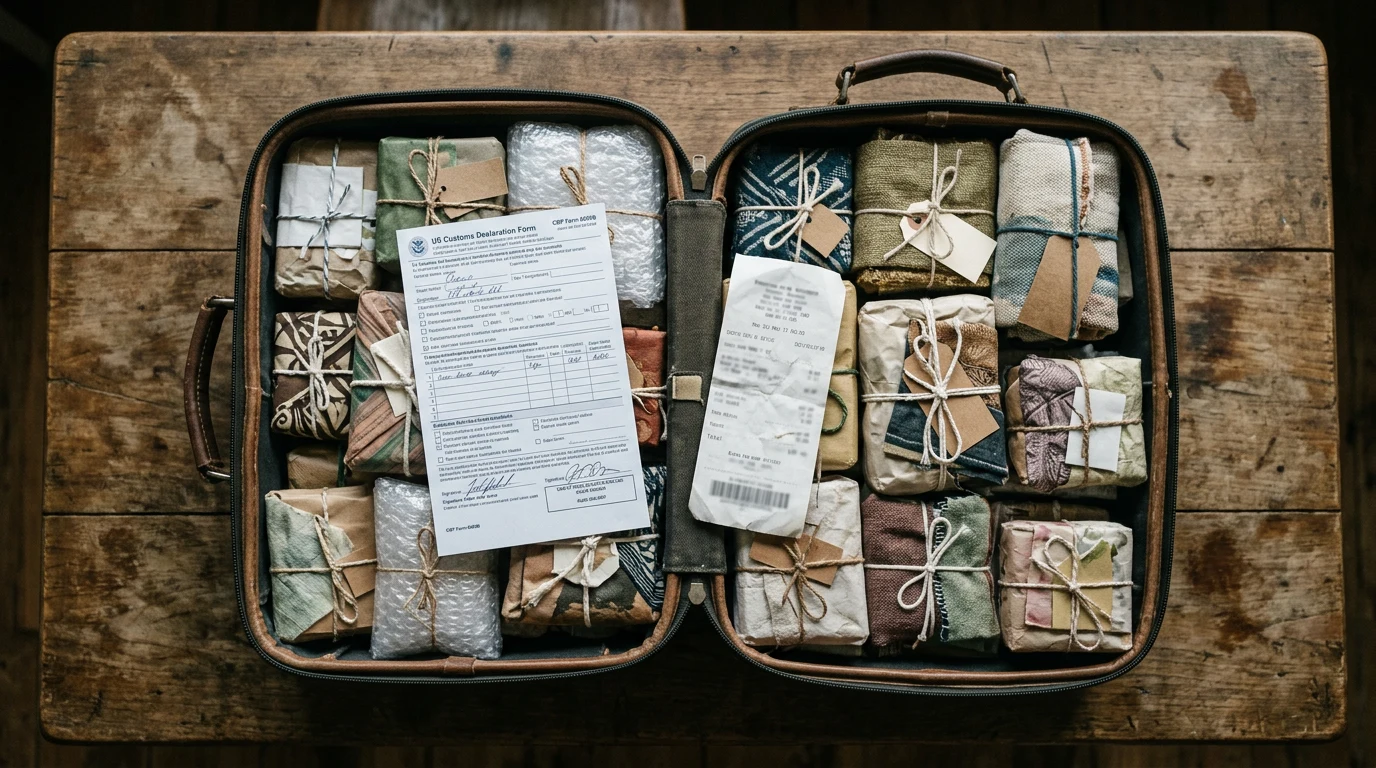
Duty-free shopping only saves money up to your home country's allowance. For US residents returning from most countries, the personal exemption is $800 in goods, with one liter of alcohol and a specified quantity of tobacco inside it — buy beyond that and duty applies to the excess, erasing the discount. Limits differ by country and by where you traveled, and they are enforced at the declaration line, not by the cashier who sold you three bottles in Seoul. Check the numbers before you fly, not at the border.
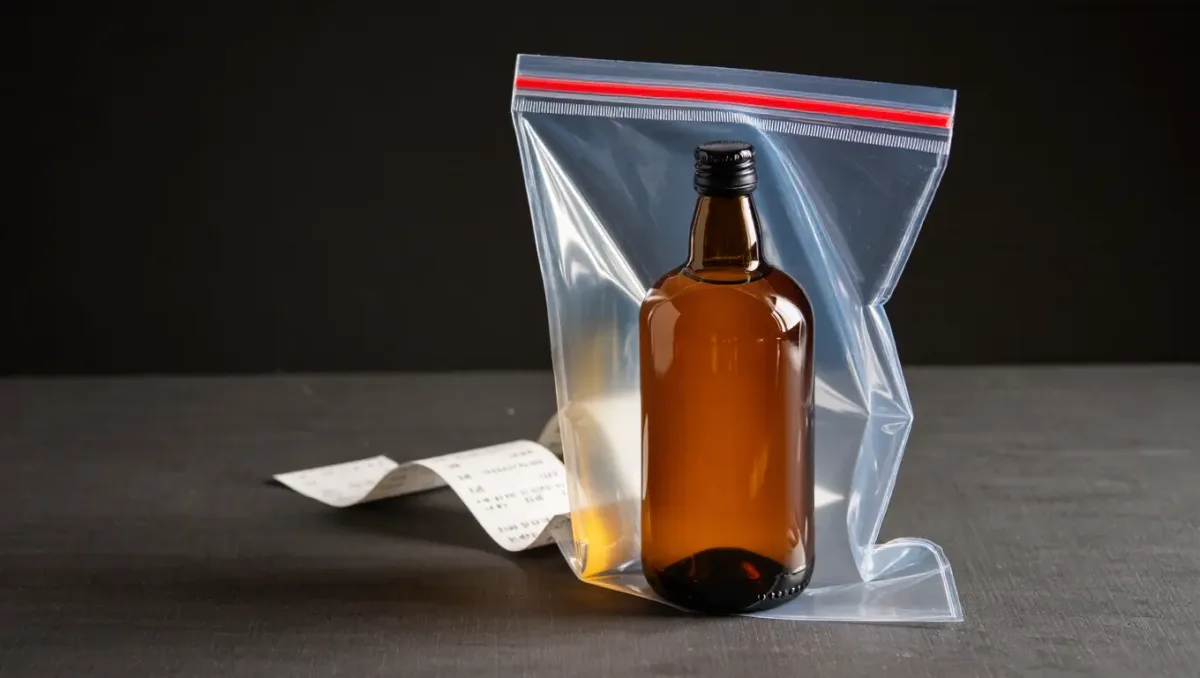
One more trap: connections. Liquids over 100 ml bought airside are sealed in tamper-evident bags with the receipt, which works for the onward flight only when the bag stays sealed and the connection is in a country honoring the scheme — a rule that catches travelers transferring through some airports where all liquids are re-screened. If you have a budget connection with security re-entry, the bottle may be confiscated at the second checkpoint, sealed bag or not.
When the airport shop is the right answer anyway
Sometimes price is not the point. You finished your perfume on day four. The dinner host gift did not survive the packing. You are transiting a region famous for something — single malt in Edinburgh, rum in the Caribbean, saffron in the Gulf — and the airside shop is a reasonable showroom. In those cases the calculation is convenience versus a taxi back into the city, and the terminal wins honestly. Just walk in knowing you are paying a convenience premium, not scoring a deal.
Dozens of airports publish their price lists online, and the honest ones do it precisely because the comparison usually favors the city. If your layover airport publishes one, check it when you book the flight, not while you queue. A ten-minute look at two or three prices tells you whether that terminal's reputation as a shopping stop is earned or inherited from a decade ago.
Do the math in 30 seconds
- Look up the home price of the exact bottle or box before you fly — one phone note, three prices.
- At the counter, compare against the tag minus nothing: duty-free prices are final, tax already excluded.
- Check your home exemption against the total, including anything you bought in town.
- If the gap is under 10 percent, buy it at home from your sofa.
The word to watch is "duty-free," not "discounted." The first is a legal status. The second is a claim you should verify with your phone before the register closes.
Who should skip duty-free entirely?
Travelers from countries with high domestic discounting — big-box spirits prices in much of the US make airport savings thin. Anyone connecting through an airport that re-screens liquids. And anyone whose home customs allowance is already spoken for by souvenirs: the most expensive duty-free bottle is the one that triggers duty at the border after you already banked the discount mentally.