For most travelers the answer is already in the wallet: if your card's published fee schedule shows a 0% foreign transaction fee and Visa or Mastercard handles the conversion, you're paying close to the interbank rate plus nothing — and on a $3,000 trip, that saves you about $90 versus a typical card that charges 3% per purchase. The comparison that matters isn't which no-FX-fee card wins; it's which of the remaining fees — ATM withdrawals, dynamic currency conversion, cash-advance treatment — your specific card still carries.
This is a comparison of publicly posted fee schedules and payment-network rules as of March 2026, not a recommendation of any product.
What did we compare?
Four fee lines across the published schedules of the main card categories that advertise no foreign transaction fees: the FX fee itself, ATM withdrawal treatment abroad, the currency conversion rate applied, and the small print around cash-like transactions. The categories: major-issuer travel cards with annual fees, credit union and online-bank travel cards with no annual fee, and debit cards from travel-focused banks.
The 3% you're avoiding
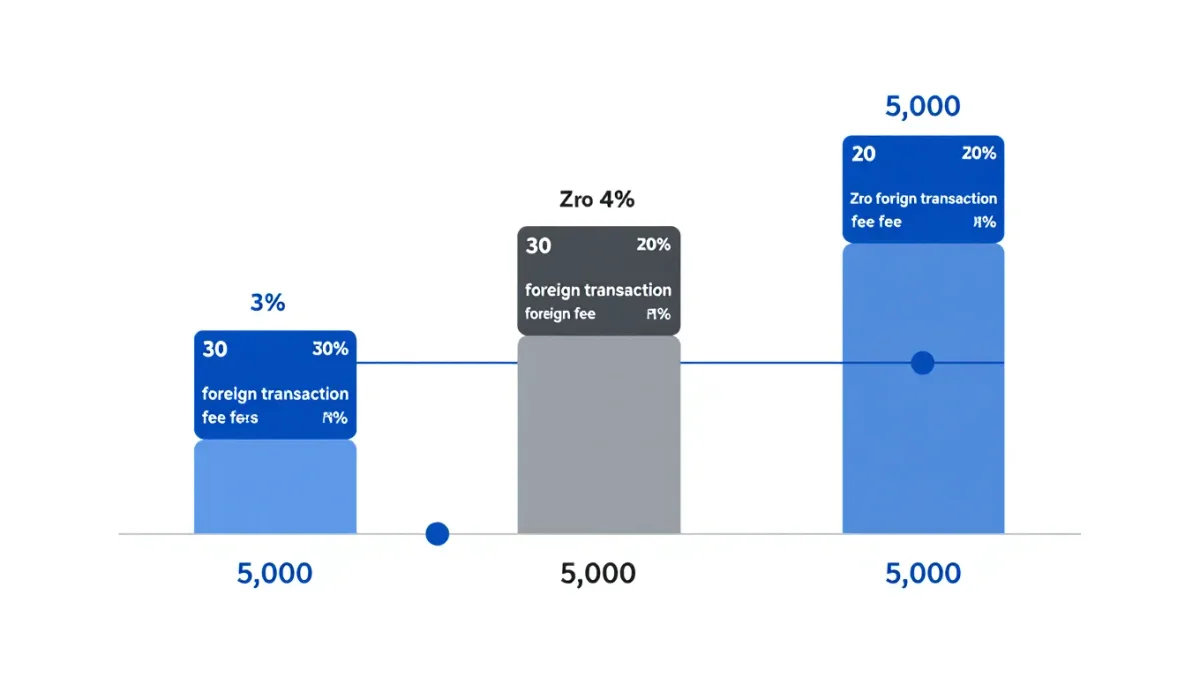
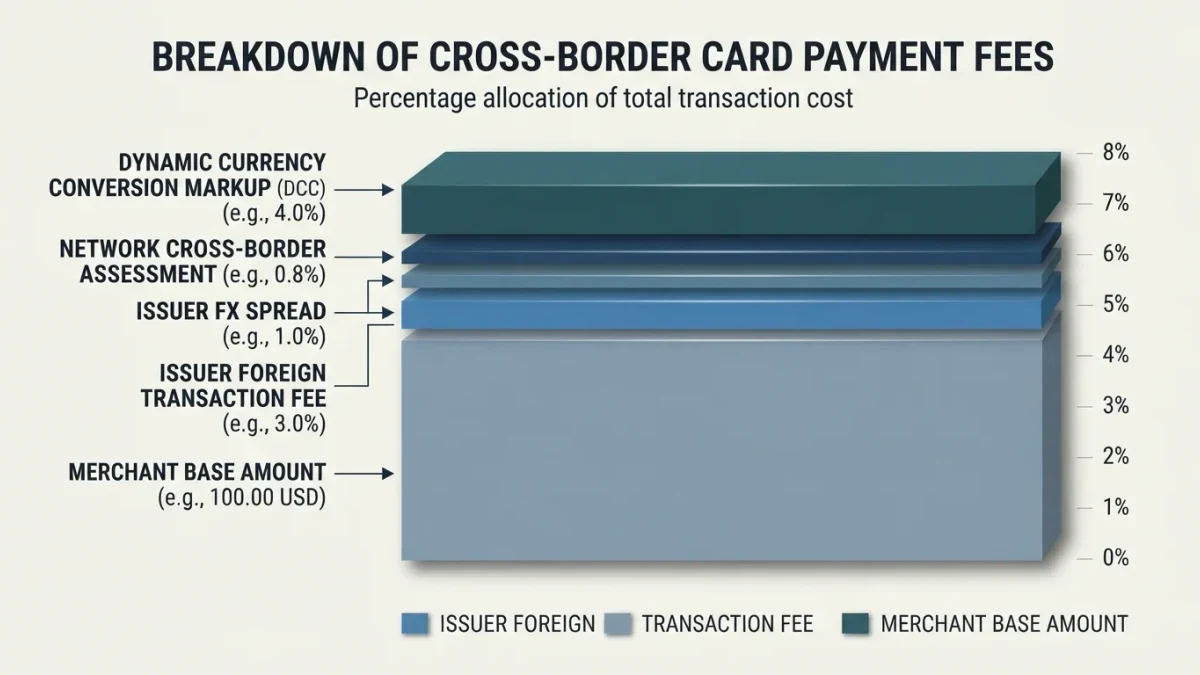
Foreign transaction fees of 1% to 3% remain standard on cards that don't advertise travel use — networks typically take 1% and the issuing bank adds the rest. Published surveys of card terms have shown the majority of travel-oriented cards waiving this fee entirely as of early 2026, which turns the fee waiver from a premium feature into table stakes. The comparison worth running is what else the fee schedule says.
ATM fees: where debit beats credit
A credit card "cash advance" abroad is the most expensive money in travel: published schedules typically add a cash-advance fee of around 3% to 5% plus immediate interest at cash-advance rates, with no grace period. Travel-oriented debit cards and checking accounts from travel-focused banks waive out-of-network and foreign ATM fees up to stated limits — some reimburse third-party ATM operator fees entirely, others cap reimbursements monthly. For cash-heavy destinations, a fee-free ATM debit card matters more than which credit card you carry.
Dynamic currency conversion: the fee nobody names
When a foreign terminal or ATM offers to charge you in your home currency, that's dynamic currency conversion — and published consumer guidance, including from US regulators, consistently advises declining it. The merchant-set conversion rate typically costs 4% to 12% versus the network rate, which can erase your 0% FX fee several times over. The rule is mechanical: always choose to be charged in the local currency.
What the comparison table looks like
| Cost line | Typical published range | How to avoid it |
|---|---|---|
| Foreign transaction fee | 0% on travel cards; 1–3% otherwise | Hold a card with 0% published FX fee |
| Credit cash advance abroad | 3–5% plus immediate interest | Use a fee-free debit card for cash |
| Foreign ATM operator fee | 0–5% or flat $2–$5 | Debit card with reimbursement policy |
| Dynamic currency conversion | 4–12% hidden in the rate | Always pay in local currency |
Who should still buy a dedicated travel card?
Skip the new application if your current card already shows 0% FX on the fee schedule and you barely use cash abroad — the marginal gain is small. The application earns its slot for three situations: regular cash withdrawals abroad, trips to card-market destinations where acceptance of your specific network is thin, and anyone currently paying 3% on a legacy card who books more than one international trip a year.
FAQ
How much does a 3% foreign transaction fee cost on a trip?
About $30 per $1,000 of card spending — roughly $90 on a $3,000 international trip, which is why the fee waiver is now standard on travel cards.
Should I ever pay in my home currency abroad?
No. Decline the terminal's offer to convert — dynamic currency conversion rates typically cost 4% to 12% more than the card network's rate.
Can I use a credit card at foreign ATMs?
Technically yes, but published schedules treat it as a cash advance: a 3–5% fee plus interest from day one. A fee-free debit card is the right tool for cash.
Do I need to notify my bank before traveling?
Most large issuers dropped travel-notice requirements in favor of automated fraud models, but smaller banks and credit unions may still ask — a two-minute check of your issuer's site settles it.