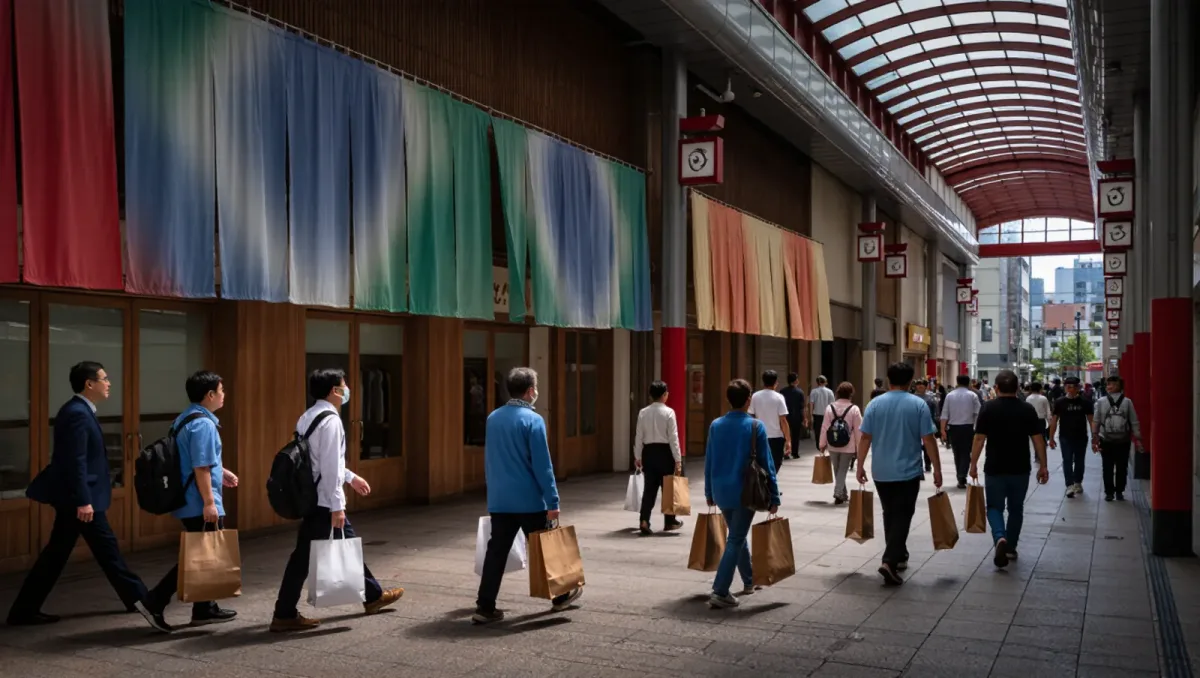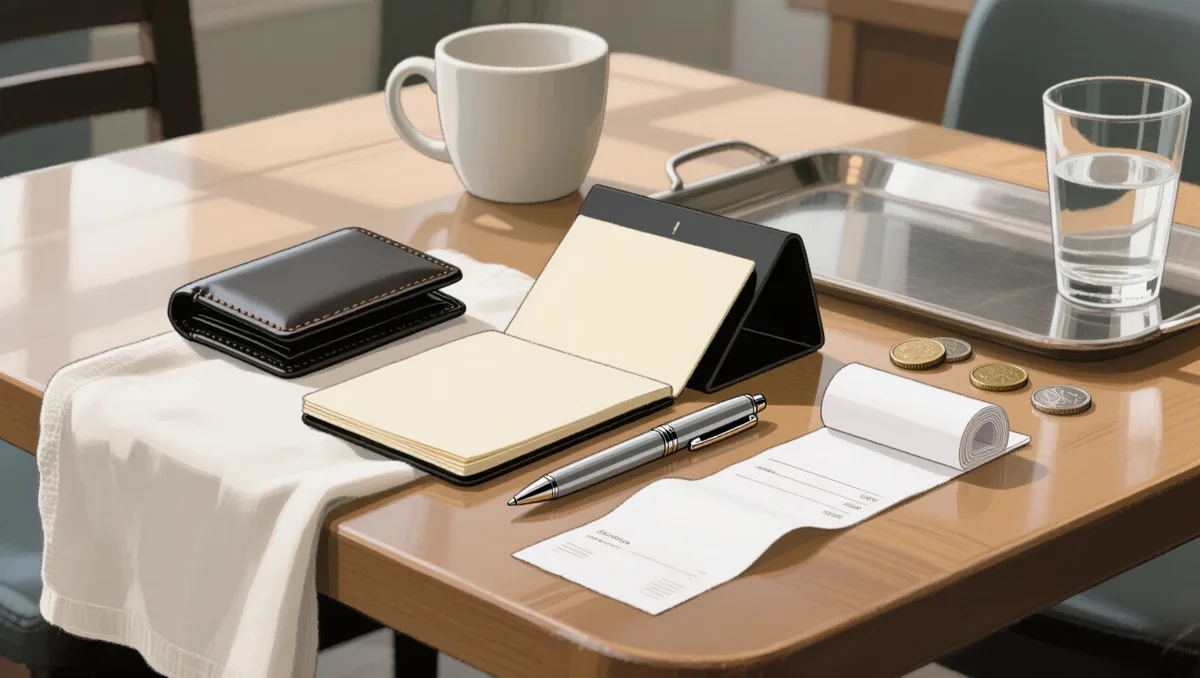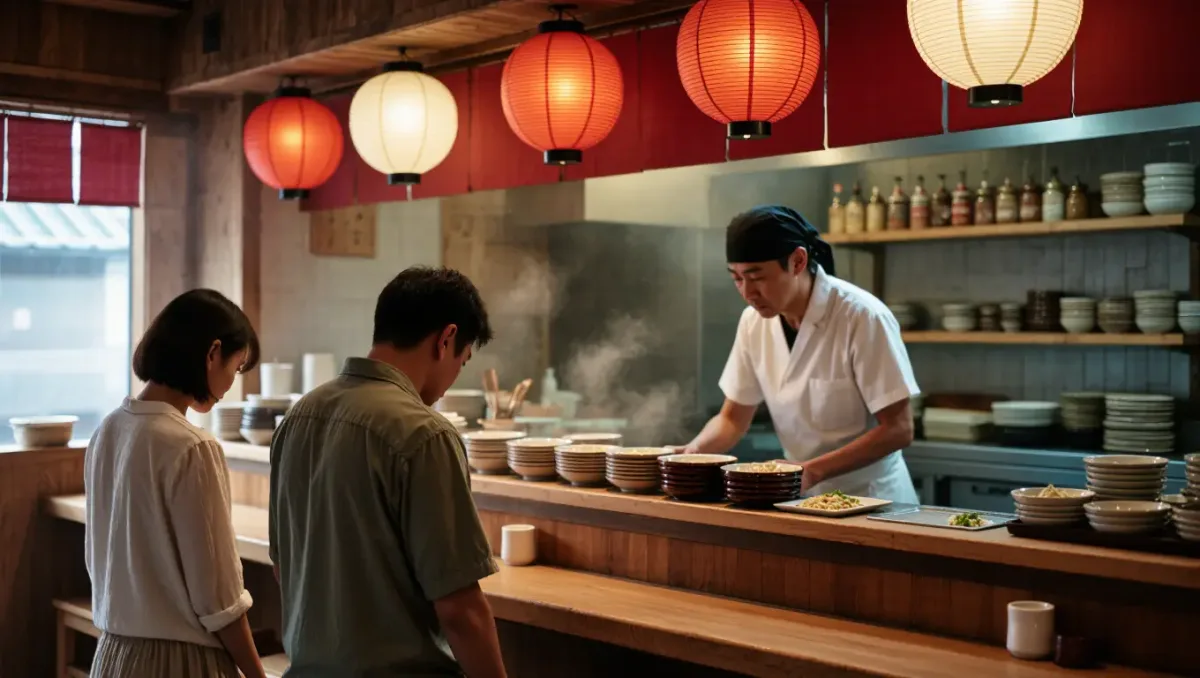
The answer to tipping in Japan is that you don't: the price on the menu is the price on the bill, service is treated as part of the job rather than a favor, and leaving cash behind usually means a server running after you to return the money you "forgot." Japan-based etiquette guidance and the country's major travel authorities all say the same thing as of early 2026 — tipping is not customary, and attempts at it can read as awkward rather than generous.
This is a sourced etiquette roundup, not personal memoir: the mechanics below come from published Japanese hospitality customs and guidance aimed at visitors, with the exceptions and recent shifts noted where sources document them.
Why Japan doesn't tip
Japanese service culture treats excellent service as the baseline expectation of the job, not a performance to be rewarded — the concept of "omotenashi," wholehearted hospitality with no expectation of return, is the word usually attached to this. A wage structure where servers are salaried rather than tip-dependent sustains it: there is no US-style tipped minimum wage, so no economic gap the tip exists to fill. The practical consequence for visitors is simple — the menu price, plus Japan's 10% consumption tax where it applies, is what you pay, and that total is final.
What happens if you tip anyway
The common outcomes, per repeated accounts in guidance for visitors: the staff refuse the money politely and repeatedly; the server assumes it was left by mistake and chases you to return it; or in a ryokan or high-end setting, the gesture causes visible discomfort rather than gratitude. Nobody calls the police, but no transaction happens either. In heavily touristed spots — some Tokyo izakaya chains, hotel bars in major cities — staff are more used to the gesture and a small tip may be accepted without drama, but acceptance isn't the same as expectation.
The one place tipping exists in Japan
Ryokan — traditional inns — are the documented exception, and even there the custom is unwrapped cash in a decorative envelope, called "kokorozuki," given to the person who tends your room, not to servers. It is also emphatically not expected of foreign guests, whose unfamiliarity with the custom is assumed. Unless a ryokan's own materials explain it, skip it entirely.
What to do instead of tipping
The transaction has its own closing ritual, and learning it costs nothing: say "gochisousama deshita" — roughly, "thank you for the meal" — on the way out, or a bow to the staff. Payment mechanics matter more than visitors expect: many small restaurants are cash-first or accept only specific IC cards, and payment at the register near the exit rather than at the table is standard outside izakaya. At places with a ticket machine at the door — common in ramen shops — you buy your meal ticket before sitting, and there is no bill to settle afterward at all.
Where travelers most often get tripped up
- Tour-group restaurants and hotel breakfasts in tourist cities increasingly add a printed "service charge" line — if a charge is on the bill, it's the full service payment; nothing extra follows.
- Taxi drivers, hotel porters, and hairdressers: same rule as restaurants, no tips across the board.
- Rounding up: not a custom. Exact change is normal, and shops will count out coins to the yen.
FAQ
Is tipping rude in Japan?
Not rude exactly — more confusing. The typical response is polite refusal or a server returning money they assume you forgot. The gesture simply has no social slot to land in.
Do any restaurants in Japan accept tips?
Services in heavily touristed areas may accept one without fuss, and ryokan have their own traditional gratuity custom, but no setting expects a tip from a foreign visitor.
How do I thank good service in Japan?
Say "gochisousama deshita" when leaving, or simply bow. Verbal thanks and a return visit are the recognized currencies of appreciation.
Is a service charge added to bills in Japan?
Usually not, though some tourist-facing hotels and group restaurants add a fixed service charge. If it's printed on the bill, it's the complete service payment.