Restaurants
Restaurant reporting built on paid meals rather than invitations. Each piece covers the dish that justifies the visit, the cost of a normal dinner for two, booking windows, closing days and how loud the room gets after nine. Useful for travelers choosing one memorable meal in an unfamiliar city.
Restaurants coverage from Daily News Voyage.
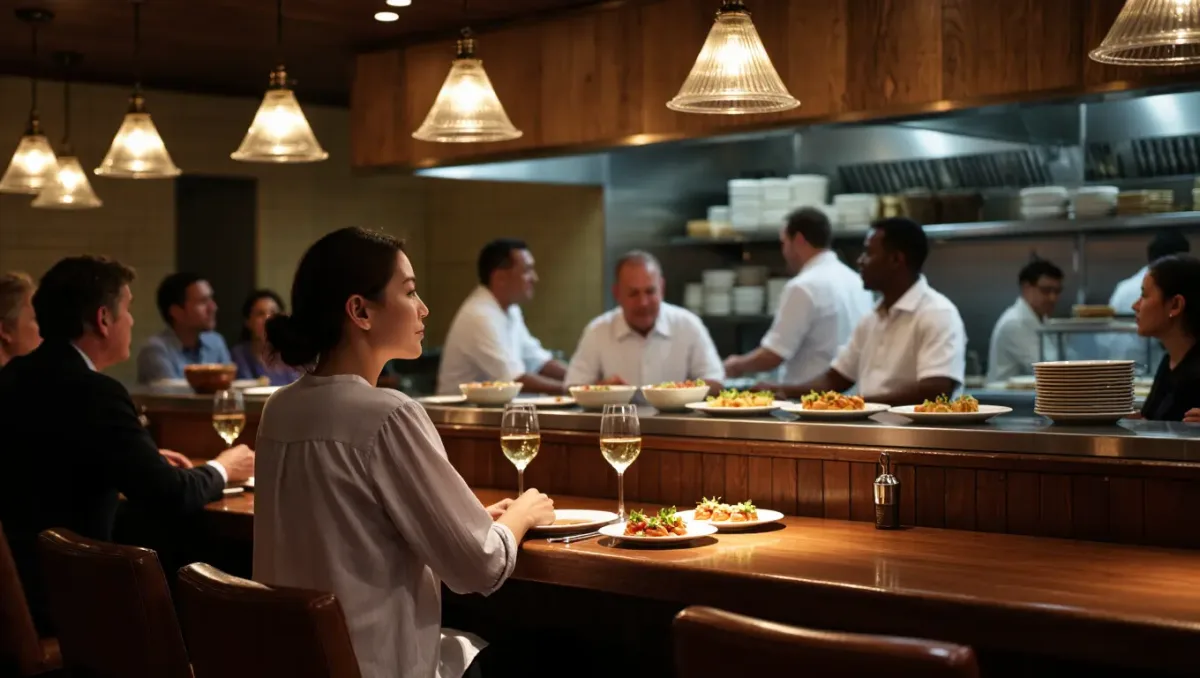
The reliable way into New York's booked-out restaurants is the counter: nearly every celebrated dining room holds bar or counter seats for walk-ins, and the play is timing — arrive within the first hour of dinner service or after 9:30 p.m., order at the counter, and skip the app scramble entirely.
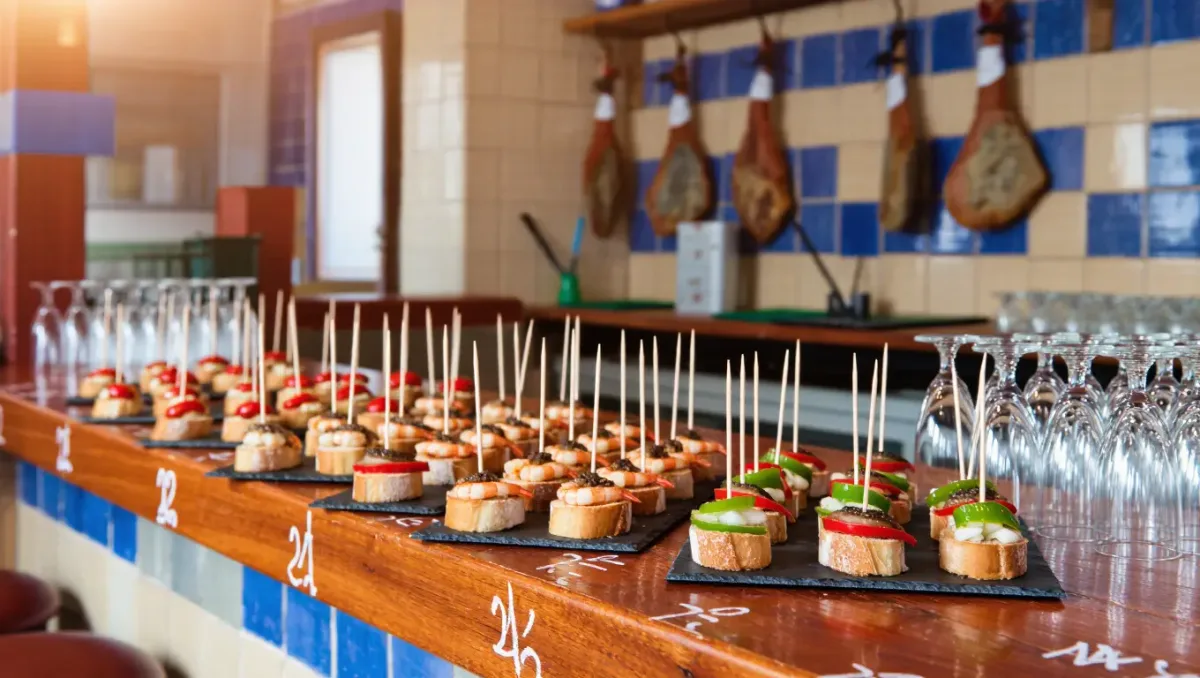
In Barcelona the bill depends on which bar you're in: tapas are ordered piece by piece and paid at the end, while pintxos — the Basque import — sit on the counter on bread with toothpicks, and your toothpicks literally become your bill.
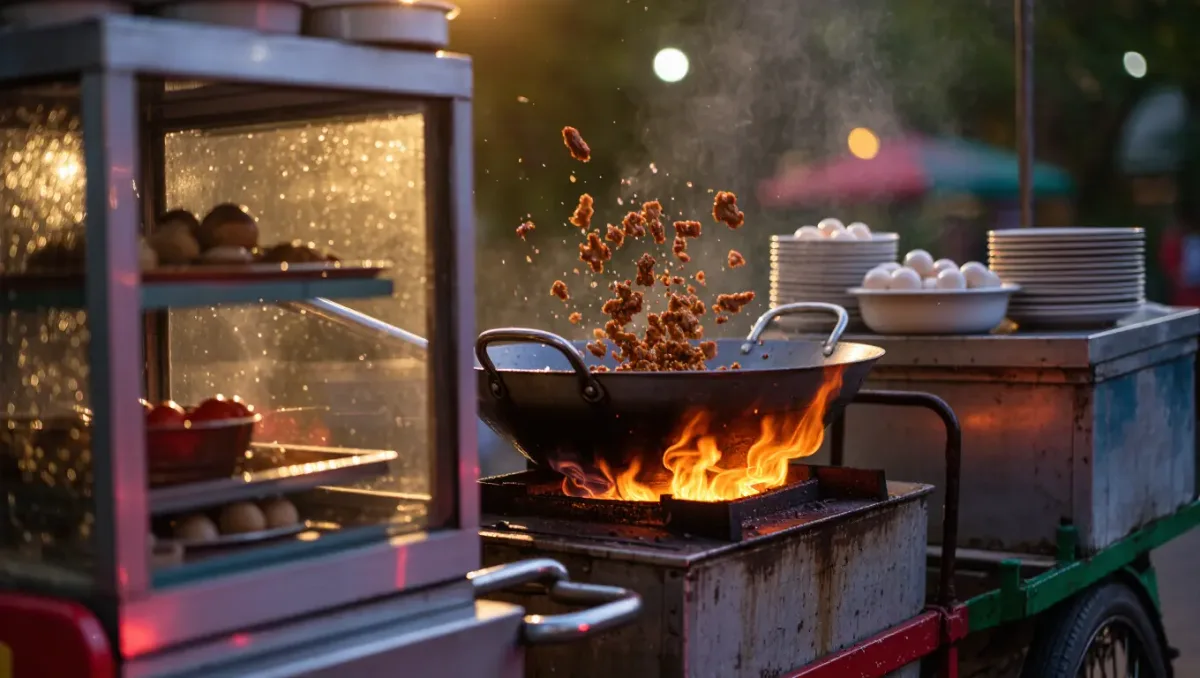
Bangkok street food runs on a two-word vocabulary and a simple filter: order "khap khao" at the cart, pay 40 to 80 baht a dish, and choose stalls where locals queue — the practical mechanics, in the order you'll need them.
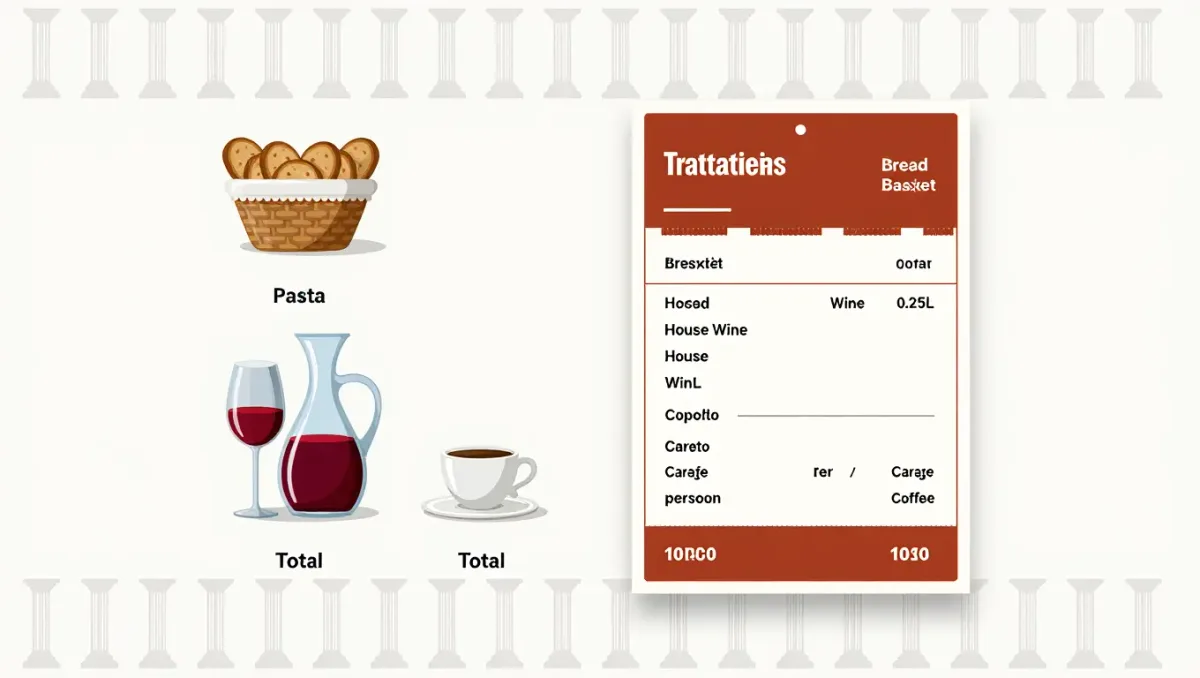
The Roman trattoria runs on three customs that surprise visitors: the coperto cover charge per person, house wine served by the quarter-liter at pocket change prices, and a bill you must request — here's how each one works before you sit down.
The booking app decides which tables you can even see: OpenTable shows the most restaurants, Resy holds the hot independents, Tock handles prepaid and ticketed dining — and knowing which system a restaurant uses is half the strategy of getting a table.
The US rule of thumb as of early 2026: 15 to 20 percent on the pre-tax total for sit-down restaurant service, a dollar or two per drink at the bar, and nothing for counter pickup — because servers there are legally paid a tipped minimum wage as low as $2.13 an hour under federal law.