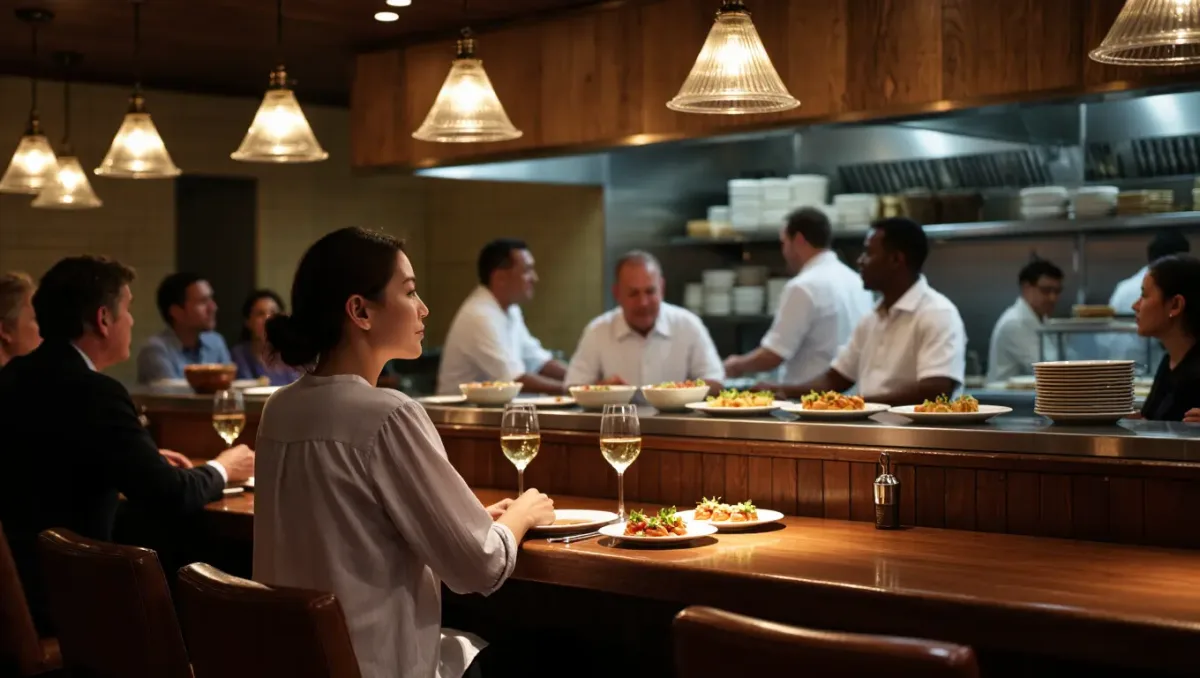
New York's fully booked dining rooms have a standing exception: the counter. Most of the city's in-demand restaurants reserve a block of bar or counter seats for walk-ins — often the best seats in the house, facing the kitchen — and the practical entry points are the first hour of dinner service (roughly 5–6:30 p.m.) and the post-9:30 window when the reservation slots thin out. As of mid-2026, the walk-in counter remains the documented strategy restaurant writers and the rooms themselves recommend for travelers who didn't plan a month ahead.
This is a sourced strategy explainer based on how New York restaurants publicly describe their own walk-in policies — no invented venues, and policies flagged as something to verify per restaurant, because they change.
Why the counter exists
The counter seat is a deliberate business design, not leftover inventory. Small dining rooms monetize every stool; solo diners and couples of two fit counters without wasting a four-top; and a kitchen-facing counter suits the tasting-menu-adjacent formats that dominate the city's attention economy. Many rooms advertise it directly: "counter seating available walk-in only" is a standard line on New York restaurant websites and reservation pages, and honoring it is how the same rooms that show zero availability online seat thirty extra guests a night.
The timing playbook
- First hour of dinner (about 5–6:30 p.m.): walk-ins are seated before the booked wave lands. Best odds of the night; also the seat you want before a theater or an early flight.
- Post-9:30 p.m.: the 7 p.m. two-tops have turned over, no-shows have been released, and kitchen counters seat late arrivals steadily. New York eats late enough to make this civilized.
- Off-peak nights: Monday through Wednesday, the walk-in odds improve everywhere; Friday and Saturday prime time is the walk-in trough everywhere too.
- Solo advantage: a single seat is the easiest block of inventory in any full room, and solo diners are assigned to counters by default — a feature, not a consolation.
The mechanics at the door
Put your name down, honestly, with the host — including the party size and a phone number, because most rooms text when the counter is ready. A partial party at the host stand helps: two of four arriving early can hold a spot. When seated at a counter, the ordering etiquette is lighter than at tables — counter guests often order a la carte, some tasting-menu rooms run a shorter counter menu, and dining alone at a counter carries no stigma in New York whatsoever; it's arguably the most local seat in the city.
The backup channels, ranked
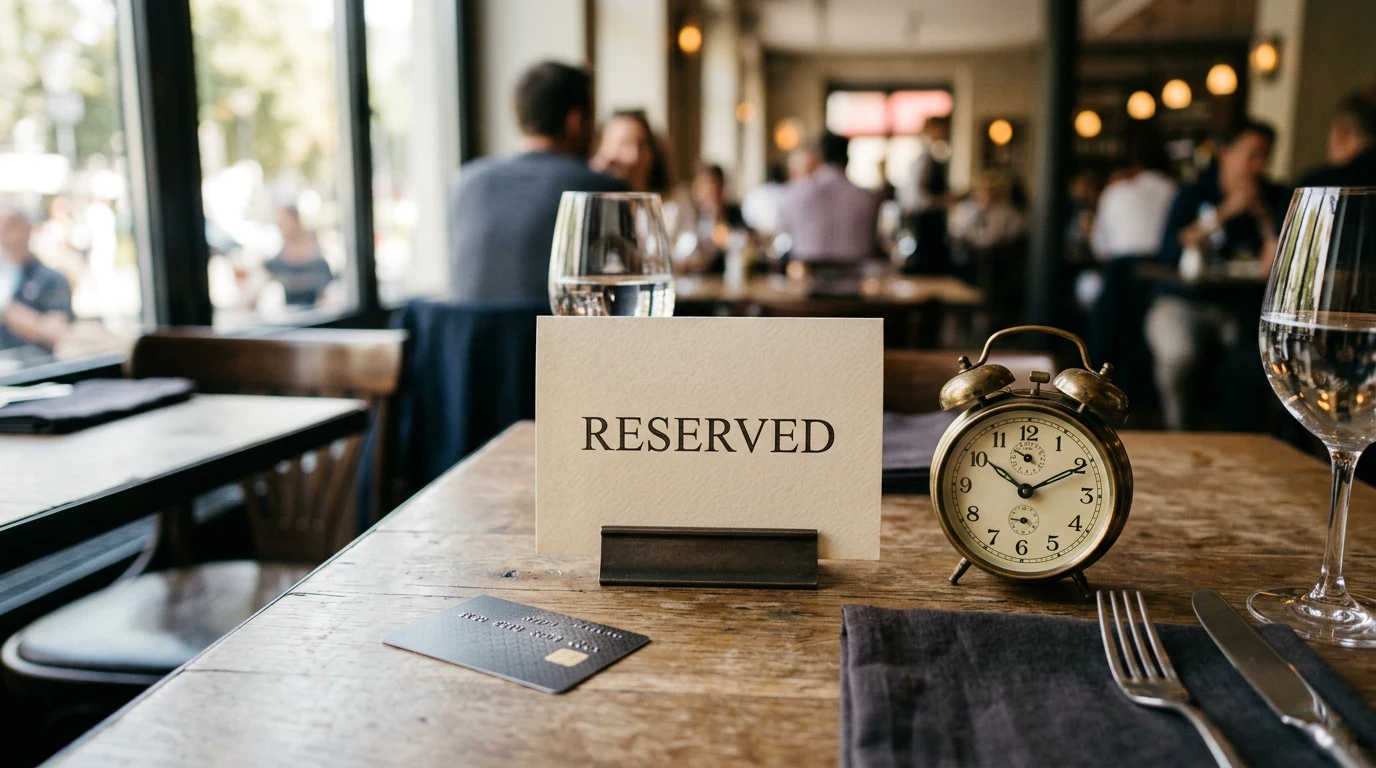
When the counter is full, the ladder looks like this: the cancellation feed on the booking apps (inventory reappears in real time, especially 24–48 hours out when card holds expire); the restaurant's sister bar next door, a standard New York format that shares the kitchen; and off-menu rooms — many celebrated kitchens run a walk-in-only café or bar component that travelers never find because it isn't on the reservation platform. The one move that doesn't work: expecting prime-time Saturday walk-ins at a famous room. That's the one seat the system genuinely withholds.
FAQ
Can you walk into NYC restaurants without a reservation?
Yes, at the right times: most in-demand rooms keep counter or bar seats for walk-ins, best taken in the 5–6:30 p.m. first hour or after 9:30 p.m.
What time should I walk in for the best odds?
Right at dinner-service opening beats everything — the first counter seats go to the first names at the host stand before booked tables arrive.
Is dining alone at the counter awkward?
In New York, no — solo diners are the counter's core customers, and many kitchens design the counter experience around them.
How do I catch last-minute cancellations?
Watch the reservation apps' real-time availability, especially 24–48 hours ahead when deposit holds expire and release tables.