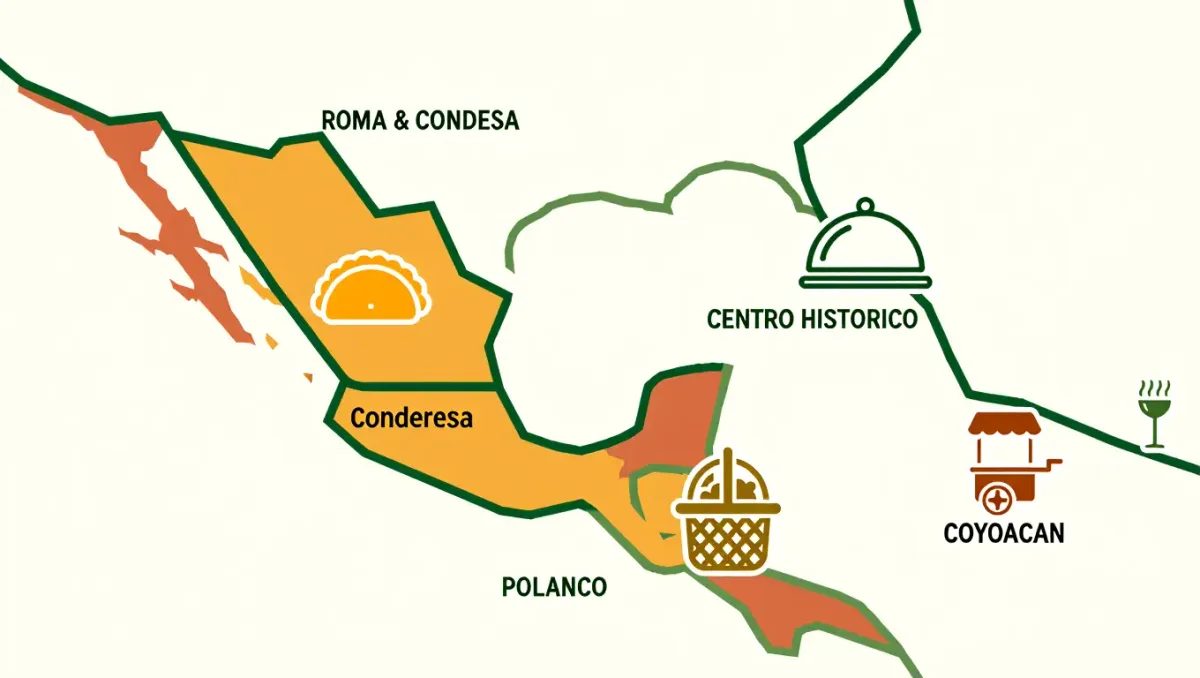
Mexico City is too big to eat "everywhere," so the practical frame is by neighborhood: Roma and Condesa for the densest mix of taquerías, coffee, and natural wine; the Centro Histórico for markets and century-old kitchens; Polanco for the fine-dining heavyweights; Coyoacán for a slower, market-anchored day south. Pick two neighborhoods per visit and eat them properly — that structure beats any restaurant list, per the way the city's own food writing and tourism guidance divide the map as of mid-2026.
This is a sourced neighborhood primer built on well-documented districts and widely reported venues — no invented places, and hours flagged as things to verify, because Mexico City's restaurant scene moves fast.
Roma and Condesa: the walkable eating core
The adjacent colonias of Roma Norte and Condesa hold the highest density of the kind of eating travelers want within walking distance: taquerías serving al pastor off the trompo, weekend-only birria stands, third-wave coffee, panaderías, and the natural-wine-and-small-plates rooms that have made the area a scene. Contramar — the tuna tostada and pescado a la talla room that food writers have treated as an essential lunch since it opened in Roma in the late 1990s — anchors the neighborhood's case that this is where lunch reservations matter. Practical pattern: breakfast at a panadería, tacos as you go, a proper long lunch, and night taquis within a few blocks.
Centro Histórico: the old institutions and the markets
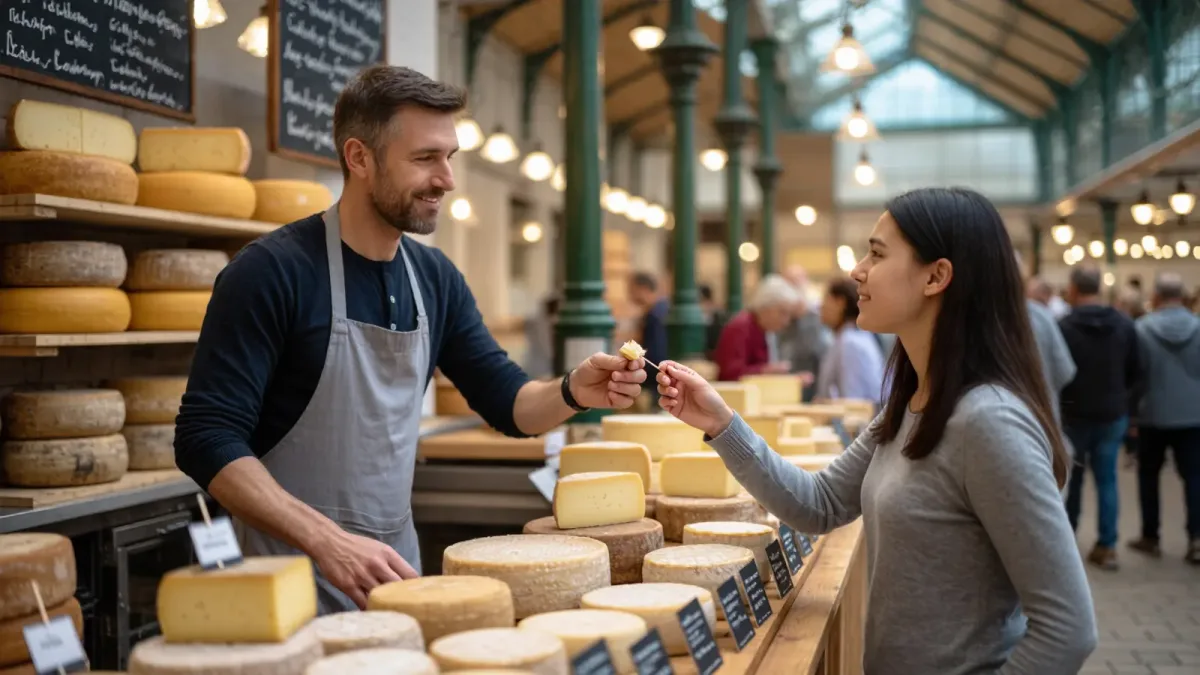
The historic center runs on two engines. First, institutions: bars and kitchens that have served since the 19th and early 20th centuries — including the cantina tradition where the kitchen arrives with your drink — and the pre-Hispanic-influenced cooking that some centro restaurants have built reputations reviving. Second, markets: Mercado San Juan is the documented food-lover's market, with exotic produce, butchers, cheese stalls, and small sit-down counters; the older Mercado Merced is the city's wholesale-scale market, an experience for confident travelers rather than a lunch stop. The centro rewards one planned market morning and one institutional lunch more than any evening out.
Polanco: the destination-dining district
Polanco concentrates Mexico City's internationally ranked restaurants — the Pujol dining room, Quintonil, and the tasting-menu tier that books weeks out — alongside the plush hotel-restaurant row around Avenida Presidente Masaryk. The neighborhood logic is simple: if your trip includes one or two reservation-dinner nights, they happen here, and the rest of the trip doesn't need to. Reservations for the top rooms open on the booking platforms weeks ahead, and lunch is both cheaper than dinner and easier to book at several of them.
Coyoacán and the south: the slower day
South of the center, Coyoacán pairs its colonial plazas with Mercado de Coyoacán — tostadas stands famous enough to draw lines — and the Frida Kahlo museum, which makes it the natural pairing of a culture morning with a market lunch. Xochimilco sits farther south still, its trajinera canals a floating-lunch format in themselves. The south is a day trip shape, not an eating base, unless your lodging is there.
How to combine them in one trip
- Base in Roma/Condesa: walking-distance eating morning to midnight, plus the easiest café and coworking supply.
- One Centro day: a market morning at San Juan, an institutional lunch, early evening in the old streets before the area quiets.
- One Polanco night: the reservation dinner, booked before you fly, lunch instead if you want a smaller bill.
- One southern day: Coyoacán market tostadas with the museum, or the Xochimilco boats on a weekend.
FAQ
Which Mexico City neighborhood is best for food?
Roma and Condesa for density and walkability; Polanco for the destination fine dining. Most itineraries base in the former and book one dinner in the latter.
What is Mercado San Juan?
The Centro Histórico's food-lover's market: exotic produce, butchers, cheese and wine stalls, and small counters serving market ingredients cooked to order.
Do the famous Polanco restaurants take walk-ins?
Generally no — the top tasting-menu rooms book out weeks ahead on the platforms, and several offer a cheaper, easier-to-book lunch.
Is street food in Mexico City safe for visitors?
The local filter travels: busy stands with high turnover and food cooked hot in front of you. Crowded al pastor lines exist for a reason.