The mechanics of Bangkok street food come down to this: pick a stall with a local queue, point or use two words of Thai, pay 40 to 100 baht per dish in cash or by Thai QR code, and eat within steps of where it was cooked. First-timers overthink the safety question and underthink the ordering one — the stall-selection filter does most of the work, per the guidance long published by Bangkok food writers and the city's tourism bodies as of spring 2026.
This is a sourced how-to built on documented Bangkok street-food customs and well-known dish names — no invented stalls, no anonymous "best of" list. It teaches the mechanics; the city supplies the meals.
How to pick the stall: the queue filter
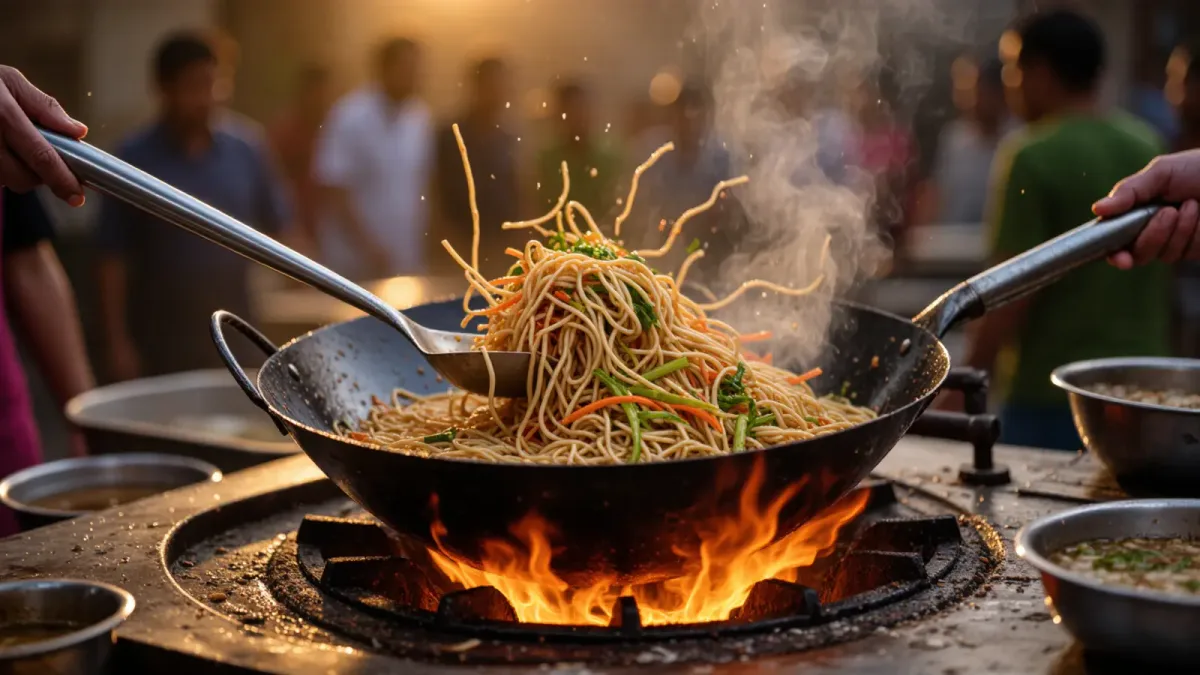
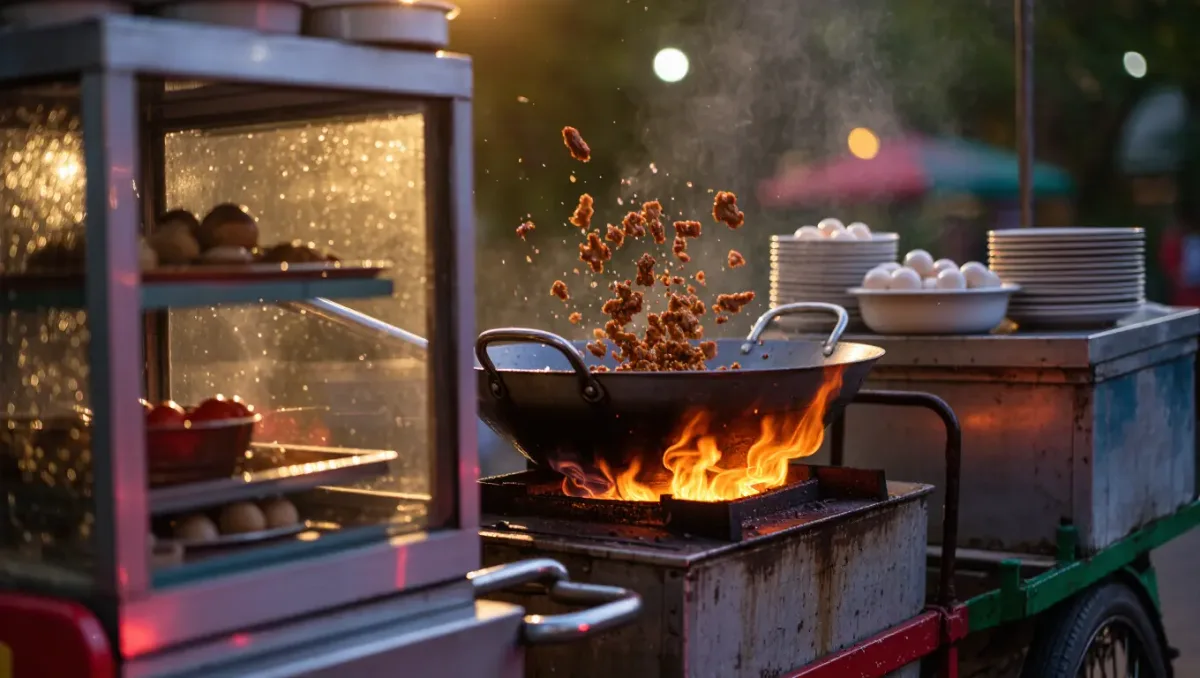
The reliable signals, in order of weight: locals queued or seated at plastic tables, one dish cooked repeatedly rather than a menu of forty, high turnover of prepped ingredients, and visible cooking in front of you. A single-dish stall that empties its wok all evening has no inventory problem, which is the real food-safety variable — cooked-hot and freshly turned is the standard Thai locals use themselves. Areas with government-promoted street-food zones and markets like Chinatown's Yaowarat after dark concentrate the good density for a first night.
How to order: the two-word system
You need remarkably little language. "Khap khao" (male speaker) or "kha" (female speaker) marks politeness; pointing at the dish in the display tray or at another table's bowl works everywhere. The genuinely useful vocabulary is small: "mai phet" means not spicy — vital, because Thai "a little spicy" rewrites most visitors' definitions — "pet noi" means a little spicy, and the number held up with fingers orders quantities. At made-to-order stalls you'll be asked a rapid sequence — here or take away, noodles thick or thin, pork chicken or seafood — and pointing with a smile fills every gap.
The dishes that teach the system
- Pad kaprao: stir-fried with holy basil over rice with a fried egg — the default one-plate lunch, 50–80 baht at street level.
- Khao man gai: chicken rice with the ginger-chili sauce on the side; the mildest entry point on the list.
- Boat noodles: small intense bowls, historically sold by the bowl so you stack them; order two or three.
- Mango sticky rice: the dessert cart at the end of the same soi; the sweet coconut rice is made mid-afternoon, which is when it's best.
- Roti and banana pancakes at the late carts: the nightcap course, with the pan performance included.
How to pay
Cash remains king at carts — carry small baht notes, because a 1,000-baht bill at a 60-baht stall is a genuine problem. Thai QR-code payment has spread fast through Bangkok's vendors, but as a visitor without a Thai bank app, assume cash and treat QR as a bonus. Prices at street stalls are essentially fixed — haggling is for markets selling goods, not food — so pay the stated price without ceremony.
Seating and etiquette
The plastic stool and shared table are the dining room; sitting down at a stall's table signals you're its customer, so don't carry food from one vendor to another's seating. A bottle of water or soda from the same stall covers the seat courtesy where it matters. Eat where you buy, order at the wok not from a wandering server, and when you leave, the empty plates stay on the table — clearing is the stall's job.
FAQ
Is Bangkok street food safe to eat?
The local filter is the answer: busy stalls with high turnover cook food hot and fast and run out daily. Crowds are the food-safety certificate; empty stalls with wide menus are the ones to pass on.
How much does street food cost in Bangkok?
Street-level dishes commonly run 40–100 baht; a full evening of grazing across several stalls costs less than one restaurant entrée in a tourist district.
How do I order if I don't speak Thai?
Point at the display tray or another table's dish, hold up fingers for quantity, and add "mai phet" for not spicy. Politeness particles do the rest.
Do Bangkok street stalls take cards?
Mostly no — carry small cash notes. Thai QR payment is widespread but requires a local banking app, so visitors should budget in cash.