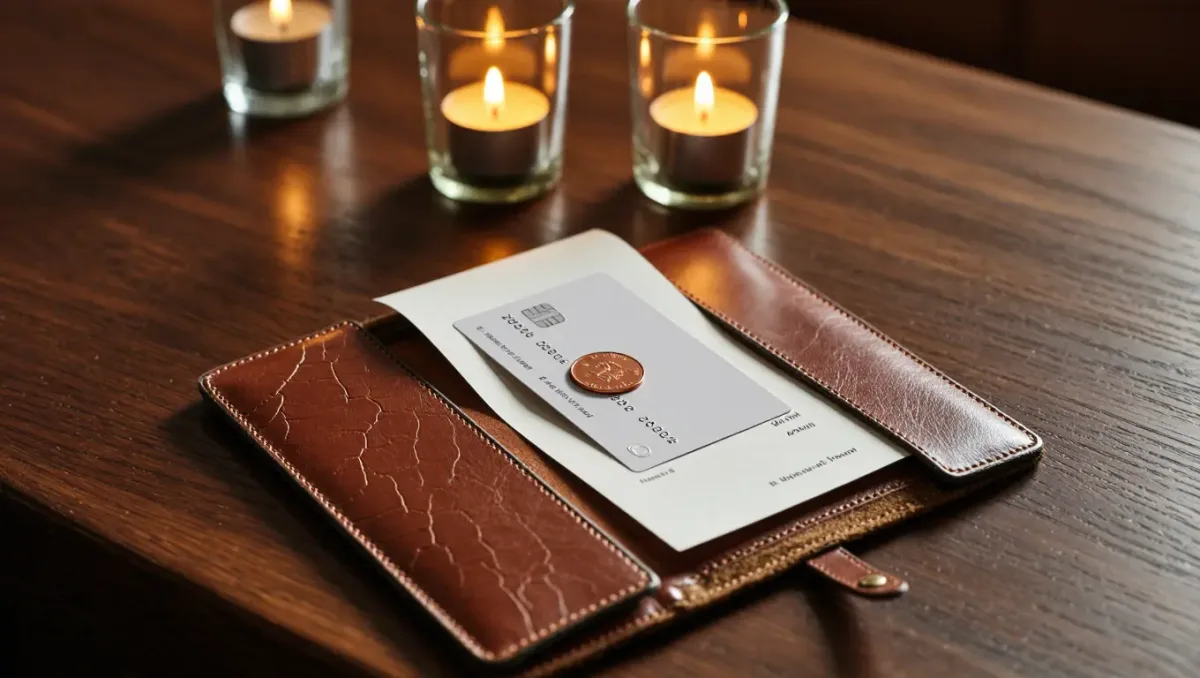
The global tipping map has three regions and one rule each. In North America, a tip of 15 to 20 percent at restaurants is functionally part of the price, because service wages are built around it. Across most of Europe, service is legally included in the menu price — a tip is rounding up the bill or leaving small change for good service, not a percentage obligation. And across Japan, mainland China, South Korea, and much of East Asia, tipping is simply not a custom, can cause genuine confusion, and at its worst reads as an insult. Match the region and you will never think about it again.
This is a sourced roundup of tipping norms by country as they stood in early 2026; norms drift — US suggested percentages keep climbing, European tourist districts increasingly add service-charge lines — so treat local signs as the final word. And the standing house note: information, not etiquette adjudication.
How does Europe actually work?
The menu price carries the service: in France, Italy, and Spain, a service charge is embedded in what the law lets restaurants charge, and leaving 20 percent is neither expected nor refused — it is just more than anyone asked for. The local gesture is rounding: a €47 bill becomes €50, or the small change stays on the table. Germany and Austria run a specific ritual — tell the server a round total including the tip when paying, "das macht 55," and the change comes back correctly. In the UK, service charges of 12.5 percent appear on many bills in London; check the line, since it is discretionary, and add nothing if it is there.
What happens in the no-tip countries?
Japan is the reference case: service is excellent, wages are salaries, and leaving cash on the table produces a chase out the door to return your forgotten money. Tipping there is not forbidden by law — it is outside the social grammar, and attempts to tip taxi drivers or hotel porters embarrass both sides. China and South Korea sit nearby: urban hotels serving international guests may accept a tip without ceremony, but restaurants and taxis do not expect one. The correction is easy to remember because it is the cheapest rule in travel: do nothing, say thank you, leave.
Related stories: Renting a car in Europe for the first time: the manual, the vignette, and the excess · The six-month passport rule: why a valid passport can still ground your flight.
Where does the US system actually bind?
The United States, Canada, and a handful of tipped-wage economies build server compensation around tips, which makes the percentage closer to a fee than a gift: 15 percent is the floor for acceptable table service, 18 to 20 percent is the working standard, and the same logic extends to taxis, hairdressers, and hotel housekeeping in ways that genuinely surprise European visitors. Travelers from no-tip countries should treat the US restaurant bill as priced roughly 20 percent higher than its face — that is the honest comparison math when budgeting a trip.
What about the in-between places?
A gradient lives between the poles. In Mexico, tipping is expected and runs at US-adjacent percentages for good service. In Egypt, Turkey, Morocco, and much of the Middle East and North Africa, small tips — baksheesh in Egypt — oil many small services, and a modest but consistent habit of small notes beats both extremes. Southeast Asian countries mostly follow rounding-up norms at local establishments, with tourist-district restaurants sometimes adding service lines. Where tourist economies meet local norms, the bill itself usually tells you: a printed service charge means the question is already answered.
How do you handle it practically at the table?
Three mechanical notes save all the awkwardness. In cash cultures, keep small notes for the table — the rounding gesture fails if your smallest bill is large. On card, ask whether the terminal supports adding a tip before the charge runs, since European card flows often skip the American tip screen entirely. And check every bill for a printed service charge before adding anything: in tourist districts from London to Dubai, the percentage is sometimes already sitting on the line, and the only mistake available is paying it twice.
- North America: 15-20 percent is the real price of the meal.
- Western Europe: service included; round up, or leave small change.
- UK: check for a 12.5 percent service line before adding.
- Japan, China, Korea: no tip; thanking is the entire transaction.
- Tourist districts anywhere: read the bill — service may already be a line item.
The tip line on a bill is a local custom wearing arithmetic. Learn the custom first; the percentage is the easy part.
Who should ignore all of this?
Nobody gets to ignore it entirely, but self-catering travelers come closest: kitchens, markets, and counter service in most of the world run on no-tip norms, and the question only lives where someone serves you seated. If your trip is one city for one weekend, look up that one country's rule and stop there — the global map matters to itinerary writers, not to people eating twice in the same neighborhood.