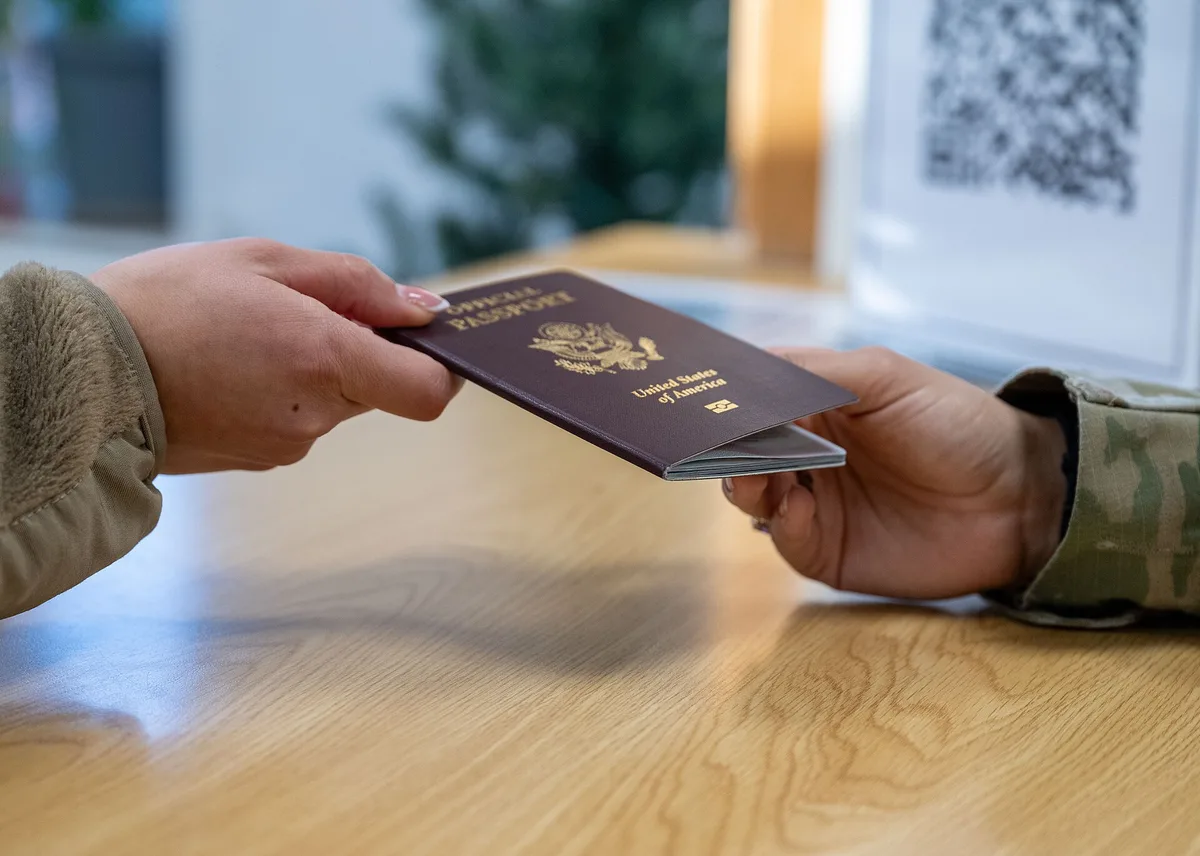
A passport with four months left on it is a valid passport that will get you turned away from a long list of countries. The six-month validity rule — entry denied unless the document outlives your trip by six months — applies across much of Asia, the Middle East, Africa, and the Pacific, and airlines enforce it at check-in because they pay the cost of flying you home when a border disagrees. Schengen Europe's version is shorter but stranger: three months beyond your planned departure, plus the passport must have been issued within the previous ten years. Check this before booking flights, not at the airport.
This is a sourced roundup based on US State Department passport guidance and destination-country entry rules as of mid-2026; entry rules change, so verify your specific destination through official channels when you book. The standing note applies doubly here: information, not immigration or legal advice.
Where does the six-month rule actually apply?
The list is long and country-specific: much of Southeast Asia, major Middle East destinations, and numerous African and Pacific nations use the six-month standard, while others accept three months, and a handful count from departure rather than arrival — which is why the blanket advice is to renew at the nine-month mark and stop memorizing tables. The US State Department maintains per-country entry requirements, and airline check-in systems encode them; the practical failure mode is a booking made on a passport with eight months left for a country that wants twelve. The rule counts from your planned exit in most formulations, so long trips fail this check more often than weekends.
What is the Schengen ten-year catch?
The Schengen area's rule has two prongs: validity of three months beyond planned departure, and issuance within ten years — the so-called issued-within rule that catches British and American travelers whose documents have years left but were printed a decade ago. A passport issued in 2015 and valid into 2026 can fail the second prong at an airline counter in 2026 even though the expiration date looks comfortable. Airlines enforce both prongs at check-in, and the fix is the same as everywhere: renew early, because the renewal clock is the only variable you control.
How long does renewal take?
For US passports, routine processing has run in the range of four to six weeks in recent years, with expedited service — for an added fee — cutting the wait to two to three weeks, and life-or-death travel eligible for emergency appointments. Processing times are published and change with demand, so the real answer is on the official page the week you apply. The planning rule that survives every processing environment: if your passport has less than a year left and any international trip is on the horizon, renew between trips rather than before one, and never begin a trip on a document inside its final nine months for a six-month-rule country.
Two secondary checks ride along with the expiry date and get skipped just as often. Blank pages: some countries require one to four empty pages for stamps and visas, and a passport can hold years of validity with no usable pages left — renewal for page exhaustion is a normal transaction, not an emergency. And name changes: a passport in a pre-marriage or pre-legal-change name fails to match a booked ticket, and airlines match strings, not intentions; the fix is updating the document or the booking in the same week, before check-in systems make the mismatch expensive.
Do children's passports follow the same rules?
They do not, and this is its own trap: children's passports are issued for five years rather than ten, so a family's documents desynchronize — the adults look fine while the child's document drifts into the danger zone unnoticed. Children cannot renew by mail into a new passport the way adults do; the application requires the in-person process with both parents' involvement or documented consent. Family trips are exactly the bookings made furthest in advance, which is why the child's expiration date deserves its own calendar entry.
- Renew at nine months of remaining validity; stop memorizing country tables.
- Schengen: 3 months beyond departure AND issued within 10 years.
- US routine renewal ~4-6 weeks; expedited faster for a fee.
- Children's passports last five years and need in-person renewal.
- Airlines enforce entry rules at check-in — the gate is the enforcement point.
The cruelest version of this story is the boarding pass printed for everyone but one family member. The passport expiry date does not sync with anyone's plans; put it on the calendar yourself.
Who can safely ignore all this?
Travelers whose passports have more than a year left, whose destinations are domestic, or who hold the lucky combination of a destination with no validity rule and a return ticket inside their document's comfort zone. For everyone else, the check costs two minutes at booking time and prevents the single most preventable trip cancellation in travel — the one where the luggage was packed and the airline's check-in system said no.