Traveling in Europe this summer, the money plumbing behind your card and bank app has quietly changed: euro instant payments are now mandatory for banks across the eurozone — transfers arrive within 10 seconds, around the clock, per the ECB's Instant Payments Regulation phased in through 2025. And one change is still ahead: an EU-wide cap of €10,000 on cash payments, agreed by EU lawmakers, takes effect July 10, 2027. Neither changes what you tap at a café, but both matter at the edges of a trip.
What are instant payments, in traveler terms?
Since the regulation's deadlines passed in 2025, eurozone banks must be able to send and receive instant euro transfers within 10 seconds, any day of the year. For travelers, this is the difference between a landlord's bank transfer "clearing next week" and landing now — useful when paying an apartment balance before check-in, splitting a group dinner, or topping up a travel money account. Fees, where charged, must not exceed what the same bank charges for an ordinary transfer.
What is the cash cap, and does it affect tourists?
The EU's anti-money-laundering package includes a €10,000 ceiling on cash payments, applying from July 10, 2027. It targets large cash purchases — cars, watches, rent — not your market stall change. A holidaymaker buying groceries or paying a small guesthouse in cash is nowhere near it. The practical watch-item is border cash declarations: carrying €10,000 or more in or out of the EU already requires declaring it, and per-country cash rules still vary, with some states setting their own lower caps for businesses.
Do I still need cash in Europe at all?
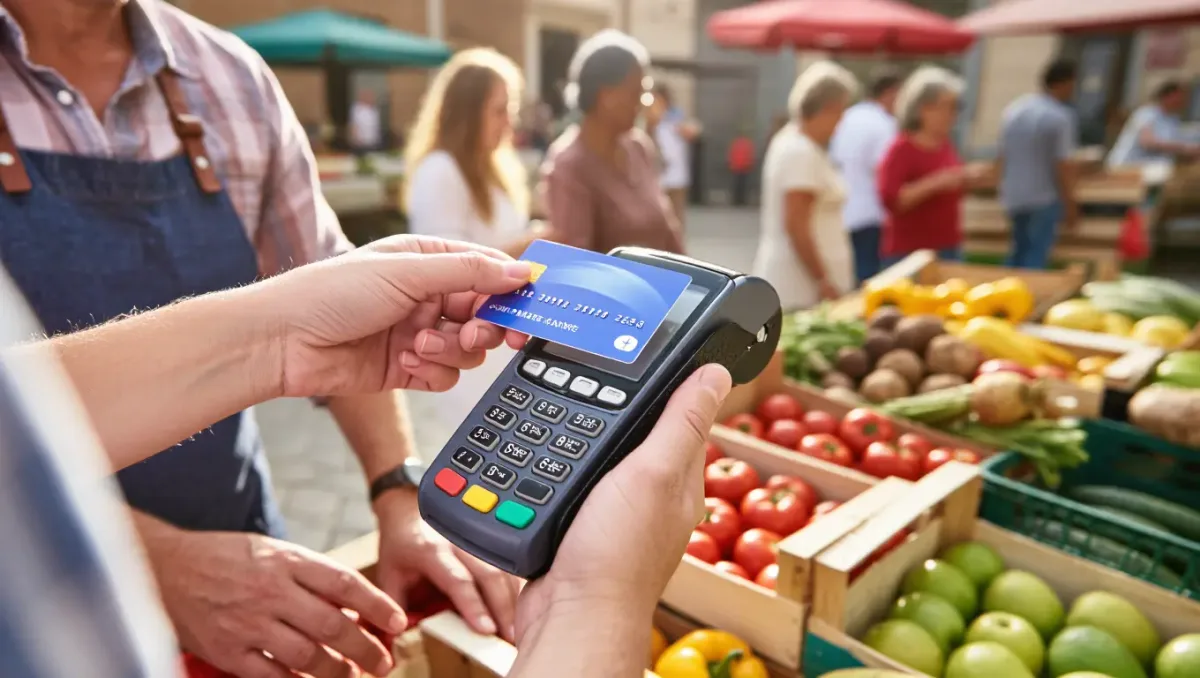
Less than ever, but not zero. Contactless acceptance is close to universal in cities, and some venues have gone fully cashless. Yet smaller bakeries, market stalls and rural cash-only spots persist, and a handful of countries — Germany and Austria most famously — lag the cashless curve. A modest cash buffer of €50 to €100 per country still earns its wallet space.
What about card fees?
The EU's cap on card interchange already keeps most intra-EU card payments fee-free for the same-domestic rate, and paying in euros rather than letting the terminal convert remains the cheapest habit. Outside the euro area — Switzerland, Sweden, the UK — your card's foreign-transaction fee applies as before.
The practical takeaway
This summer, set up your bank app for instant euro transfers before departure, keep a small cash buffer, and file the €10,000 cash cap under "things that will never happen to you" — with July 10, 2027 attached in case you are buying a boat.