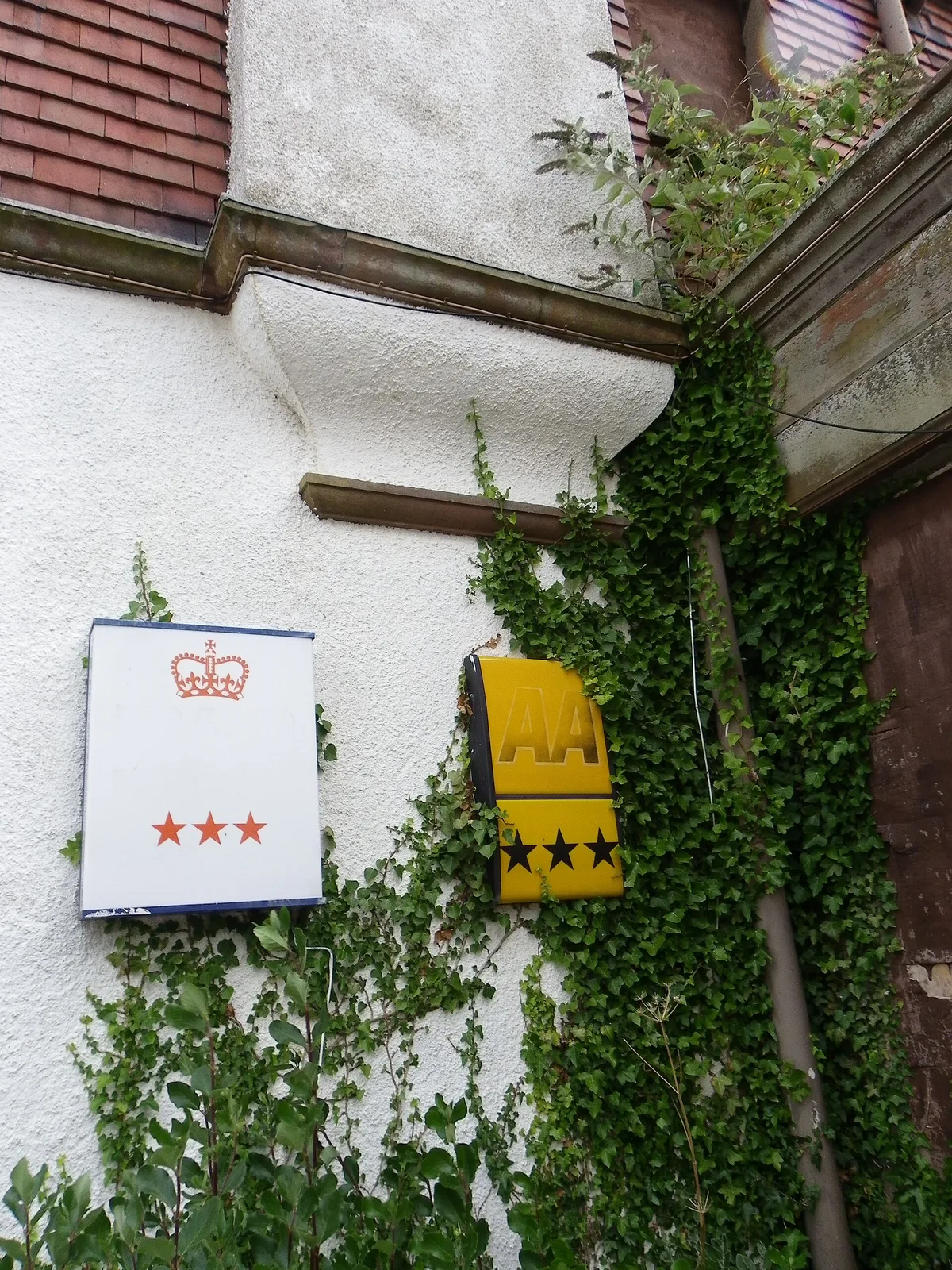
A row of stars feels like a universal language. A five-star hotel in Paris should match a five-star hotel in Tokyo. In practice, stars are handed out by many different bodies. They do not all measure the same things.
Rating schemes vary widely around the world. Many use stars, and a greater number of stars points to greater luxury. Some schemes are run by governments, some by industry groups, and some by private companies. Knowing who assigned the stars is the first step in reading them well.
Who Assigns Hotel Stars
In the United States, there is no government-regulated hotel rating standard. Private evaluators fill the gap. Forbes Travel Guide, once known as Mobil Travel Guide, launched its star system in 1958. According to Wikipedia's overview of hotel ratings, Forbes uses independent inspectors to rate properties on more than 900 attributes. A hotel must meet 90 percent of the standards for five stars. Four stars requires 82 percent. The "recommended" tier requires 72 percent. The AAA uses diamonds instead of stars. Its scale has 27 criteria covering bedrooms, bathrooms, booking, check-in, and room service.
Europe takes a more organized path. Under the HOTREC umbrella body, several national hotel groups created the Hotelstars Union. Its system took effect in January 2010. Australia's scheme has run since the 1950s and checks about 200 criteria. In the Philippines, the tourism department adopted a five-star system in 2012. Hotels there are graded through points, with a maximum of 1,000.
The Checklist Behind the Stars
Most schemes start with facilities. Traditional systems look at what goods and services are on offer. That covers food service, entertainment, views, spas, and fitness centers. Room size, ease of access, and location can count as well.
The Hotelstars Union works from a catalogue of criteria in seven areas, with 247 elements in total. Some elements are mandatory for a given star level. Others are optional and carry points. Each level requires a minimum point total. For hotels with three to five stars, the union also sends mystery guests to check service quality on a regular basis.
That amenity focus has critics. A smaller hotel can miss a higher category over one missing item. An elevator or a spa can make the difference, even when the rooms themselves are excellent.
Why the Same Hotel Gets Different Stars
The core reason is simple. No single global body assigns hotel stars. Each country and company applies its own scheme, and the schemes do not agree. France moved from a four-star system to a five-star system in 2009, run by its public tourist board. Some European countries set hotel standards by law. Others leave the job to industry groups. A four-star hotel in one country can therefore sit near a three-star tier under a stricter scheme. For related coverage, see Are all inclusive resorts worth it? What the five-star reviews leave out.
Online platforms add another layer. Hotels.com assigns its own ratings on a one-to-five scale and allows half-stars. Google Maps shows a guest score and a separate hotel class. The class is based on amenities, price, room size, and other data. These numbers look like stars, but they follow their own rules. And despite ads for "seven-star" hotels, no traditional group awards any rating above five stars. We covered a connected angle in How to read hotel reviews like a seasoned traveler.
How to Read Stars When You Book
- Check who gave the rating: a government body, an industry group, or the booking site itself.
- Treat stars as a report on facilities, not a promise of charm or warm service.
- Read recent guest reviews next to the stars to see how the place performs day to day.
- Compare hotels inside one rating scheme instead of across borders.
Conclusion
Hotel stars are useful, but they are not one global standard. They are the output of many different schemes. Each has its own checklist, its own inspectors, and its own thresholds. Before you trust a row of stars, find out who awarded it and what it measures. Pair the rating with recent guest reviews. Then you will know far more than the stars alone can tell you.